
Insulation Contractor in Vista, CA - Attics Cleaned, Sealed and Filled in Order
ThermaFit Escondido Insulation Services is an insulation contractor based in Escondido that works in Vista, CA. We check what's in your attic or crawl space, clear out what's ruined, seal the gaps and add insulation where it's thin.
- Licensed and insured.
- Free estimates at your property.
- We reply within 1 business day.
Insulation work on Vista homes
Vista is a short drive west of us in Escondido. The calls we get there run from older single-story houses with low, tight attics to two-story homes on the hillsides with a bonus room over the garage. A lot of the older houses still have the insulation that went in when they were built, now settled thin. Many have also had rounds of cable, wiring and duct work since then that left gaps in the ceiling. We hear from property managers and business owners in Vista too, and we do the same work just up the road in San Marcos and over toward the coast in Carlsbad.
On an older house, what's already up there decides the job. If the old fill is soaked, stained or full of droppings, it comes out first, then we seal, then we add, because new insulation over a problem just hides it. The price and the schedule turn on three things: how much has to come out, how many gaps need sealing and how easy the attic is to move around in. I'll give you your own figure once I've seen it.
Insulation work we do in Vista
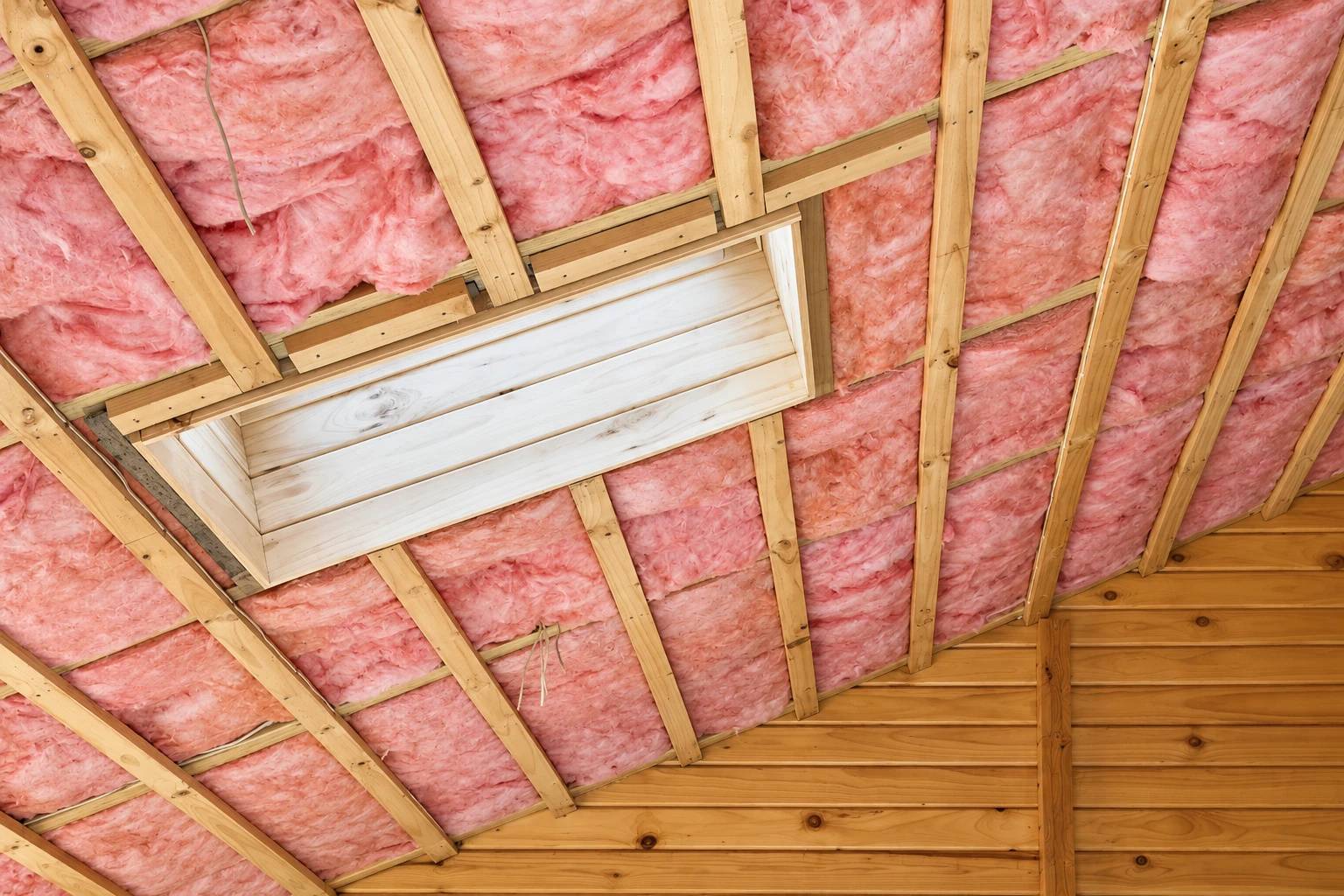
Insulation removal
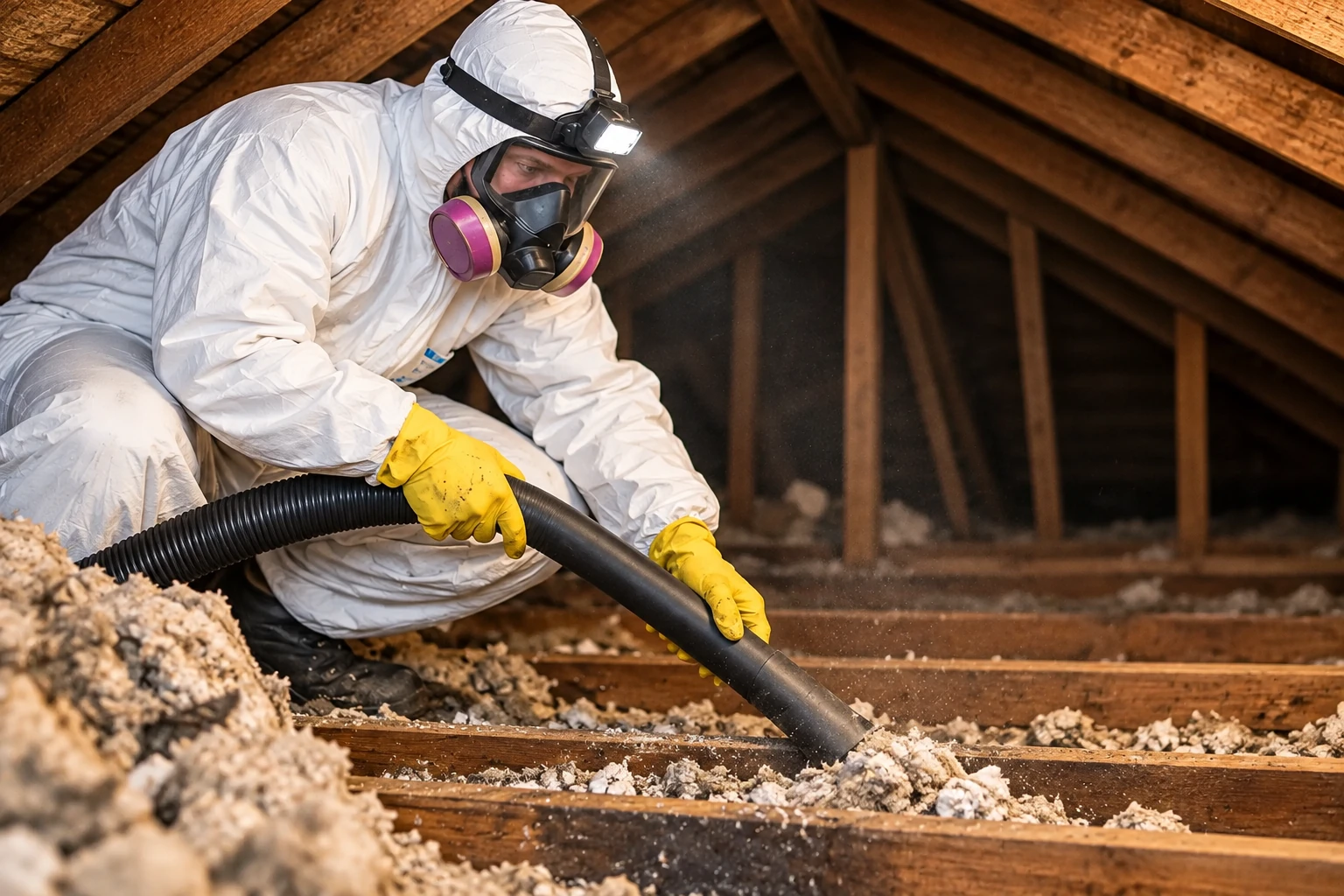
Older Vista attics often hold insulation that's flattened, stained from an old roof leak or full of rodent droppings, and topping it up just buries the problem. We bag it and vacuum it out, then look over the framing before anything new goes in.
Attic air sealing
Most attics we open up here have gaps around can lights, pipes, wires and the hatch that let hot attic air into the rooms below. We seal those first so the insulation on top isn't fighting a draft.
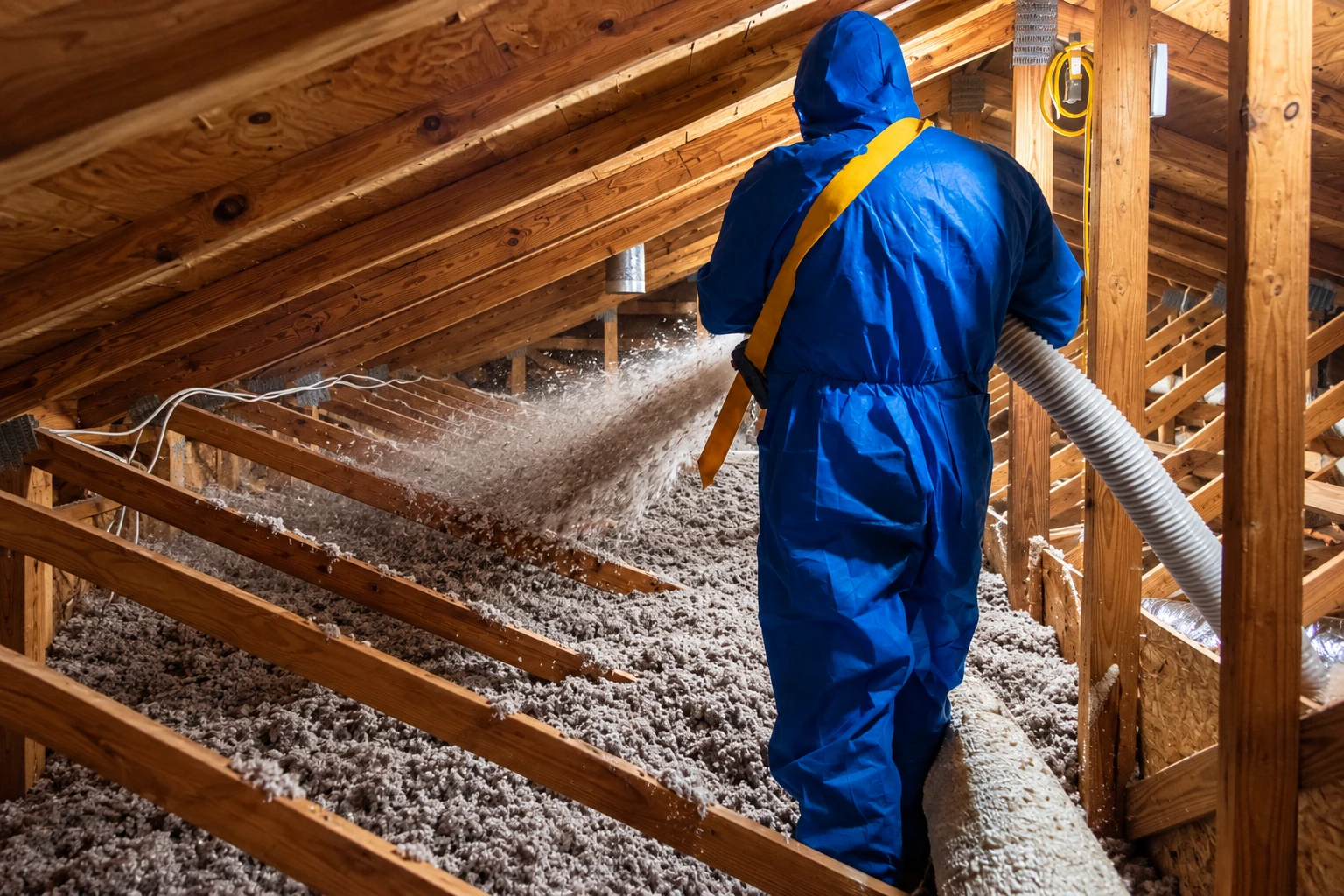
Blown-in insulation
When the old material is clean but thin, blown-in insulation, loose fill sent through a hose, is usually the simplest way to bring a Vista attic up to depth. We keep it even all the way out to the edges and clear of the eave vents so the attic can still breathe.
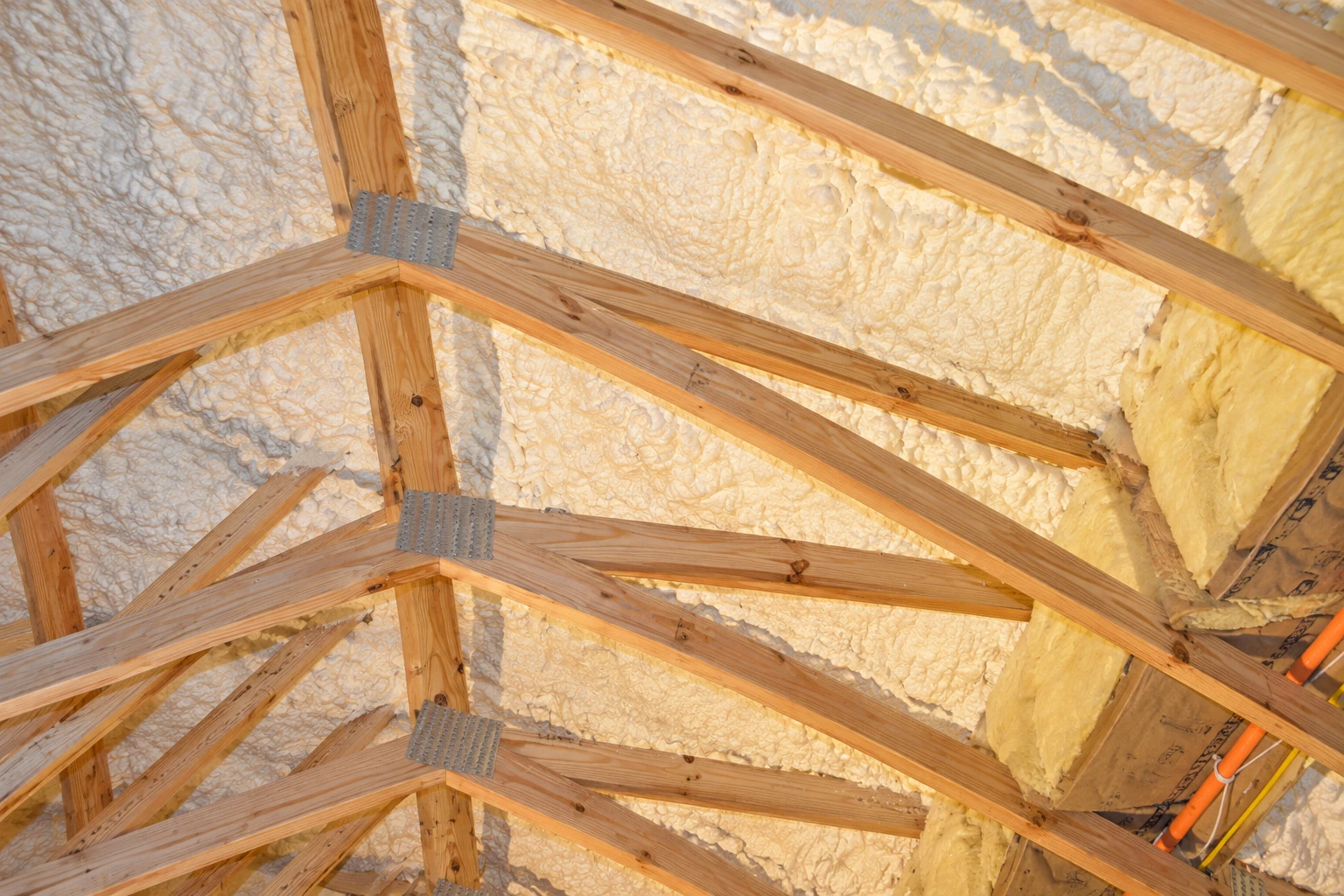
Spray foam insulation
If your ductwork runs through a hot attic, or the room over the garage stays hot no matter what, foam can be worth its higher cost because it seals air while it insulates. If neither applies, I'll usually tell you that sealing the gaps and adding loose fill is the better use of your money.
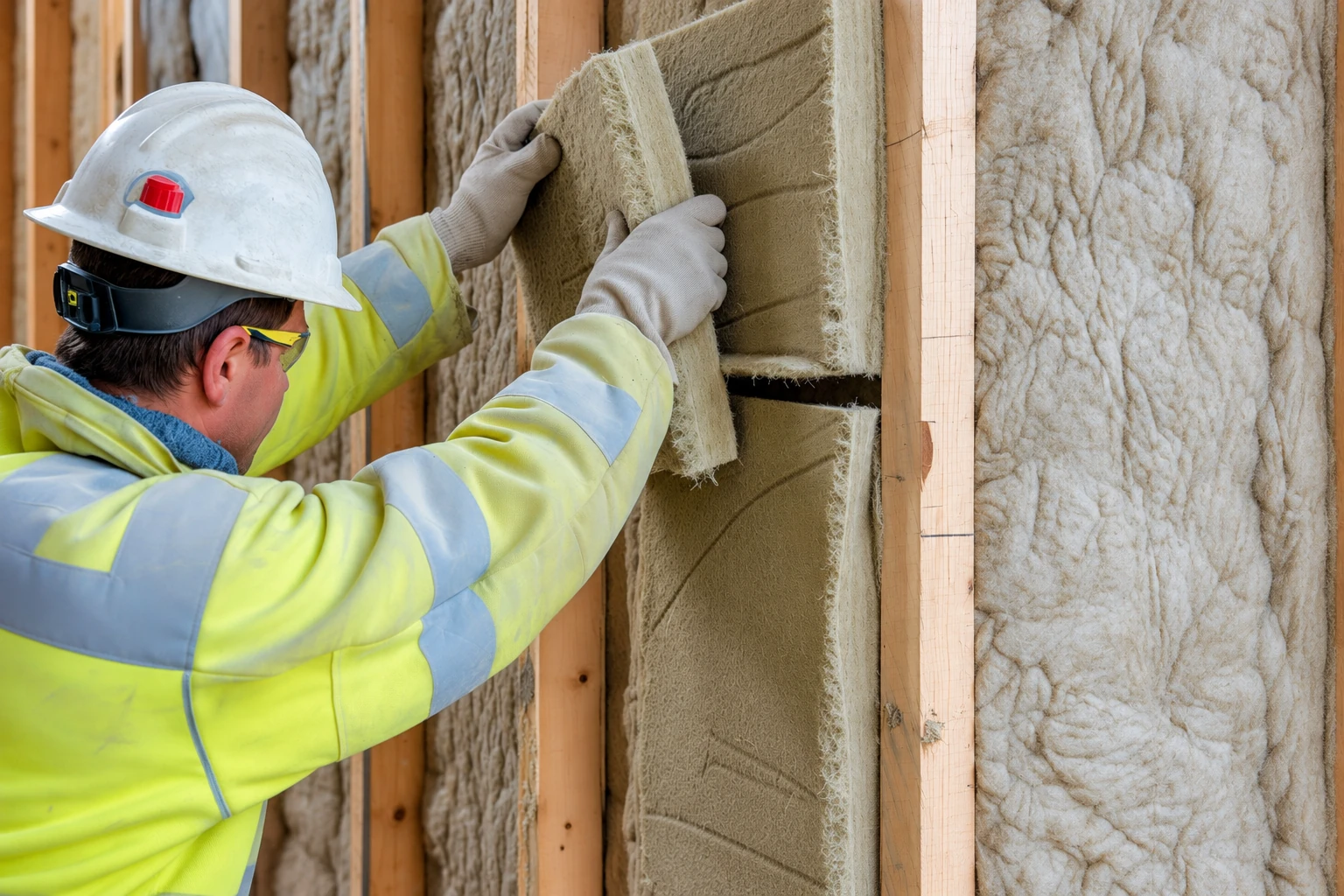
Wall insulation
Some older houses here have little or nothing in the outside walls, so rooms on the sunny side stay warm long after dark. We fill those walls through small holes that get patched afterward, so you don't have to open up the drywall.
Crawl space insulation
On houses with a raised floor, cold floors in winter usually trace back to a crawl space where the insulation has fallen down or was never put in. We check the vents and the ground cover first, then fasten insulation up between the floor joists.
What Vista attics are up against
Vista sits about seven miles inland, and the weather is mild most of the year, so insulation here is mostly about keeping summer heat in the attic and out of the rooms below. When the attic bakes in the afternoon sun, every gap and thin spot sends that heat down into the bedrooms, so we seal the gaps before we add depth.
The other thing we see is age. On older houses the insulation has usually settled or been walked flat during repairs. Often it's piled deep in the middle, where it was easy to reach, and thin out by the eaves, which is backward. Sometimes the eave vents got buried along the way, so the attic can't breathe and moisture starts to show on the framing. Before we add anything, I check how many inches you already have and whether those vents are open, and that tells us what has to happen first.
Get a free on-site insulation estimate for your Vista home
Send the form or call (442) 281-9783, and we'll reply within one business day to set a time to come out to your house in Vista. I'll look at the attic or crawl space myself, show you what's there and walk you through the plan, and you're under no obligation to go ahead. If you book, our installers do the work and I check in with them along the way.
Vista insulation questions, answered
These are the questions Vista homeowners ask us most. If yours isn't here, call or send the form and I'll answer it for your house.
Where do I apply for a building permit in Vista?
You apply with the City of Vista, either online or at the Development Services counter in the Civic Center during regular business hours. I check with the city on every job, and when a permit is needed we take care of it and the inspections that go with it. Have the year your house was built handy, since it helps me ask the right questions.
Does my insulation contractor need a state license in California?
Yes, in most cases. The California Contractors State License Board requires a license when the project needs a building permit, uses any workers beyond the contractor, or when labor and materials add up to $1,000 or more across one or more contracts. Only a small job with no permit, no employee labor and less than $1,000 in total costs is exempt. The City of Vista also requires a business license from anyone doing business in the city. We're licensed and insured, and I'm glad to go over it when I come out.
How do I book a building inspection in Vista?
You can request one online, by phone at 760.639.6016, or in person at the first-floor service counter in the Civic Center during business hours. On jobs where we handle the permit, we book the inspections and I'll tell you the date ahead of time. All you need to do is make sure the inspector can get to the attic hatch or crawl space.
How much does attic insulation cost in Vista?
It comes down to what's already in your attic and what has to happen before new insulation goes in. Pulling out old, dirty material, sealing a lot of gaps, a tight attic that's hard to crawl through and choosing foam over loose fill all raise the price. A clean attic that just needs sealing and a top-up keeps it lower. I'll give you your number after I've been up there, so jot down the rooms that run hot and any old roof leaks you know about.
How long does attic insulation take, and when can we go back in the house?
A top-up in a clean attic goes much faster than a job where the old insulation has to come out first, and I'll give you the schedule for your house before we start. With loose fill you can usually stay home. Spray foam is different, because everyone, including kids and pets, has to stay out until the re-entry time, which is when it's safe to come back in. The foam maker's instructions set that time, and I'll tell you exactly when to leave and when to return before the crew arrives.
What is the best way to insulate a hot room over the garage in Vista?
Usually it's sealing the gaps where that room meets the garage and the attic, then filling its walls and ceiling properly, since these rooms tend to be thin on several sides. If that room's ductwork runs through a hot attic, closed-cell foam, a dense foam that also blocks moisture, can be worth its higher cost because it seals and insulates in one step. I'll look at it from the attic and the garage and tell you which way makes sense.
Insulation work, up close
Other cities we work in
Pick a city from the list to see how we work there, or call (442) 281-9783 if yours isn't listed.