
Air sealing services in Escondido CA - the small hidden leaks found and closed
Drafty rooms, a hot upstairs or a climbing power bill usually trace back to gaps you can't see. We find them and close them.
Book a look at your attic leaks
Call (442) 281-9783 or send the form, and tell us how old your house is and where the attic hatch is, so I know what I'm climbing into.
What do air sealing services do for an Escondido house?
Air sealing services in Escondido close the gaps that let air slip in and out of your house, around wiring, plumbing, ducts, flues and windows, and where the rim joists, the framing that rests on the foundation, meet the foundation walls. Closing them cuts drafts, helps the power bill and keeps out moisture that can damage wood and lead to mold.
Most of our calls for this come from people in older houses who feel drafts or a hot upstairs and want to know what's going on above the ceiling. The price and the schedule mostly turn on how much old insulation covers the leaks, how easy the attic or crawl space is to get into, and whether something like a roof leak or soaked insulation needs insulation removal first. We're based in Escondido and work in many of the cities around it, and your written estimate puts your steps in order so you know what comes first.
Why Escondido homeowners call ThermaFit Escondido Insulation Services for air sealing
The owner sees every job
I climb into the attic or under the house myself before any estimate is written, and I check in while our installers work. You hear the plan from the person who checks the job.
Licensed and insured on every job
We're licensed and insured. California's contractor board calls anyone installing insulation for heat or sound control an insulation contractor, so that's the license to ask about when your sealing job adds insulation too.
Turning up on time since 2020
We've been doing this work since 2020, and what people remember is that we turn up when we said we would. You get a date, and you don't have to chase us for updates.
On an air sealing job the order matters most, so nothing gets sealed or covered until what's underneath has been handled. Tell us about your house or call (442) 281-9783, and I'll set a time to come look.
How we handle air sealing services
I start by checking the attic for live knob and tube wiring, vermiculite, bath fans blowing into the attic and roof leaks, because those get handled before anyone seals over them. Then we hunt for the small hidden leaks along with the obvious ones, pulling back old insulation around pipes, wires, flues and the hatch, and close each gap with caulk, spray foam or rigid blocking to fit its size. Once the house is tighter, a gas furnace, water heater or dryer that isn't venting right has a better chance of letting carbon monoxide build up, so we ask you to have your heating and cooling technician check all three.
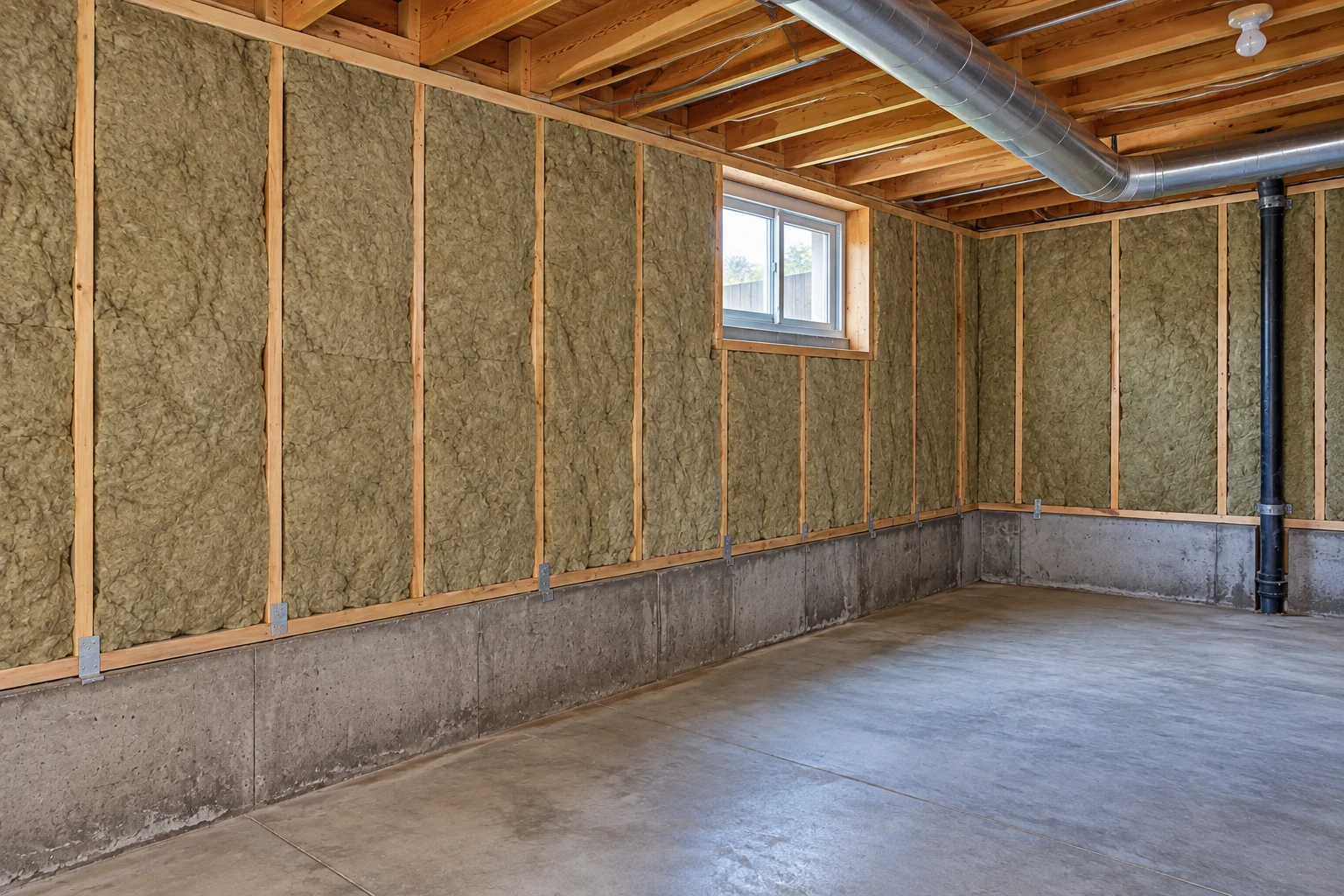
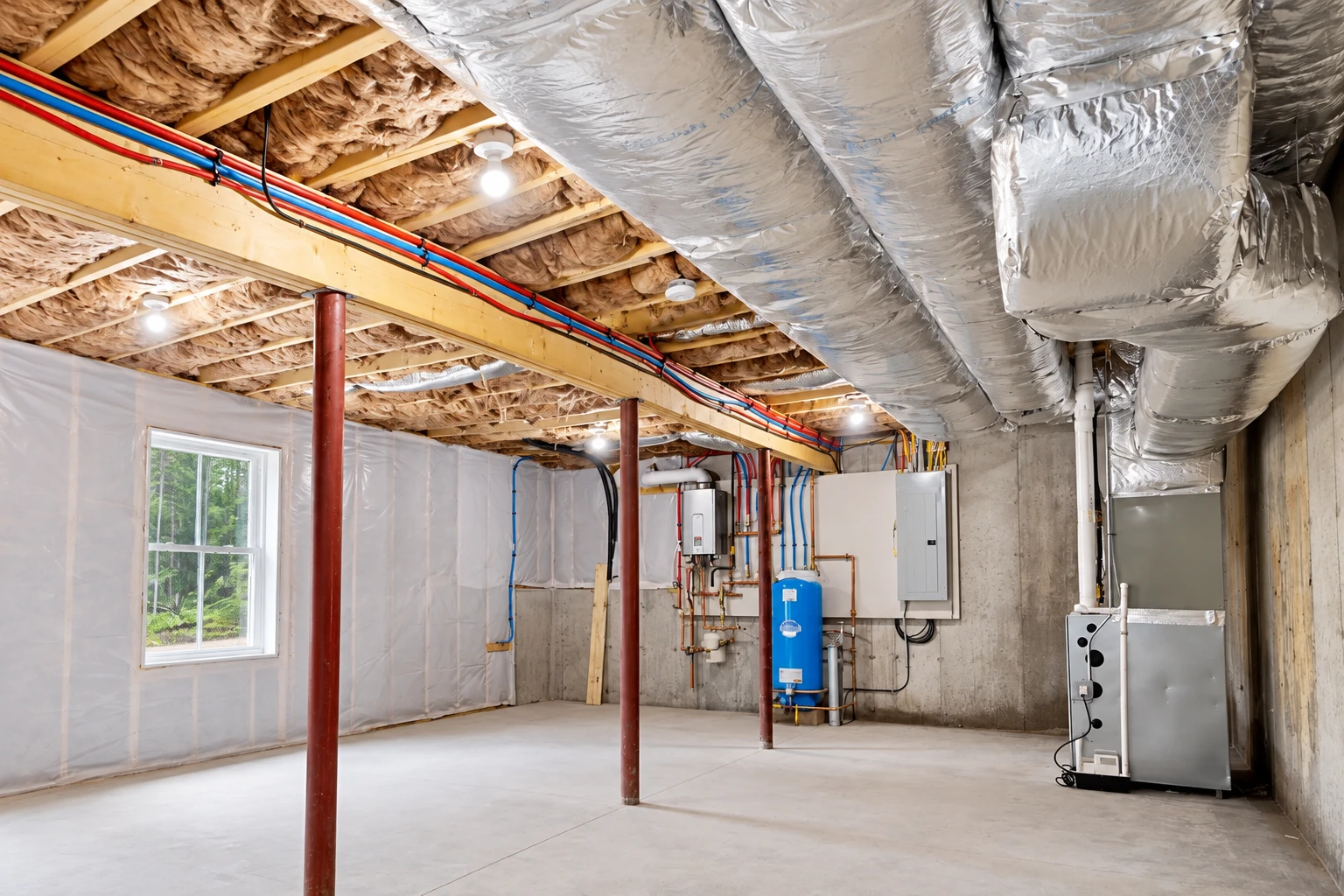
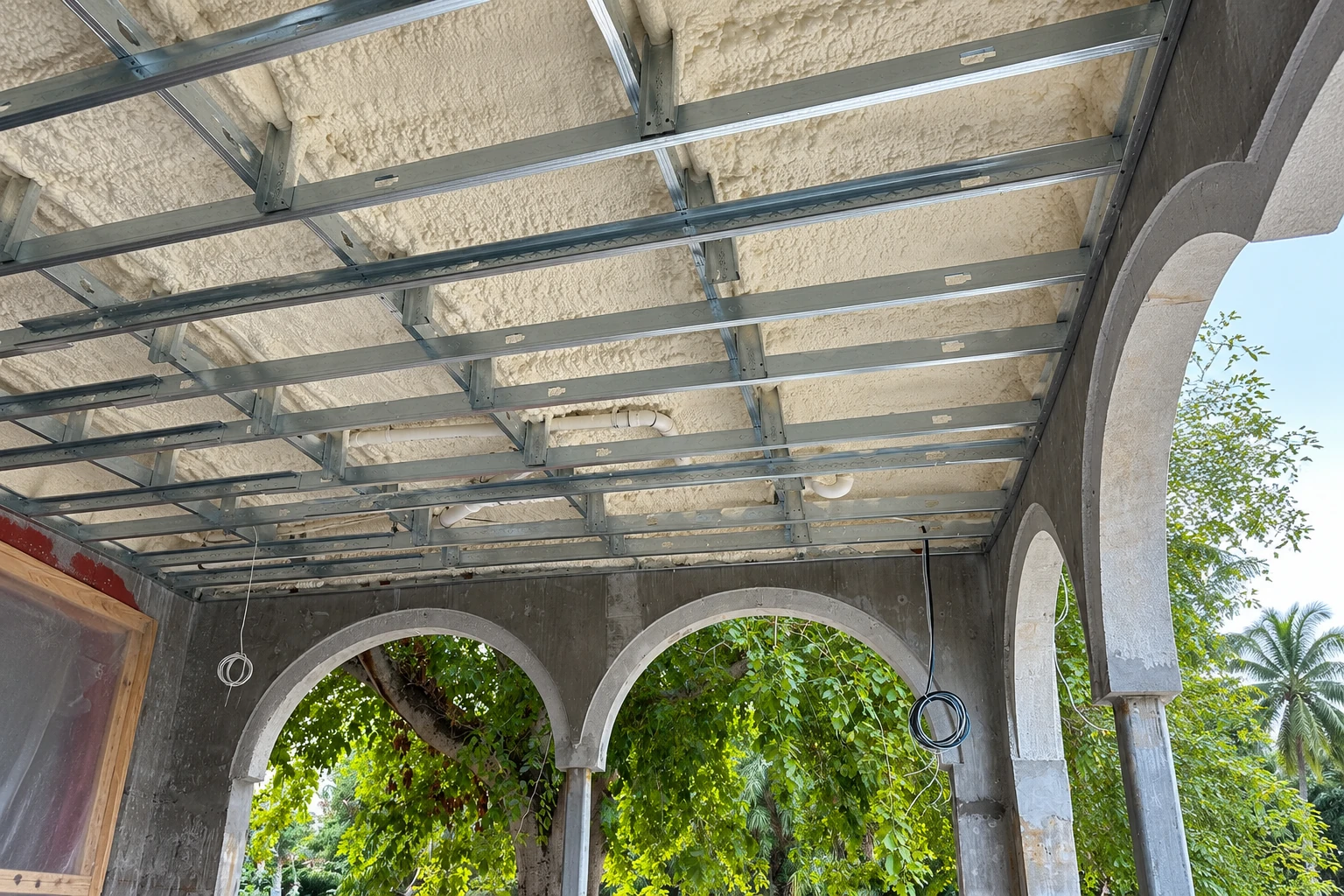
Air sealing often goes along with other insulation work. Gaps along the rim joist can lead into a lower level, so sealing pairs well with basement insulation, and where we want the seal and the insulation in one dense layer, we use closed-cell foam insulation, which also blocks moisture.
Seal by hand, then top up
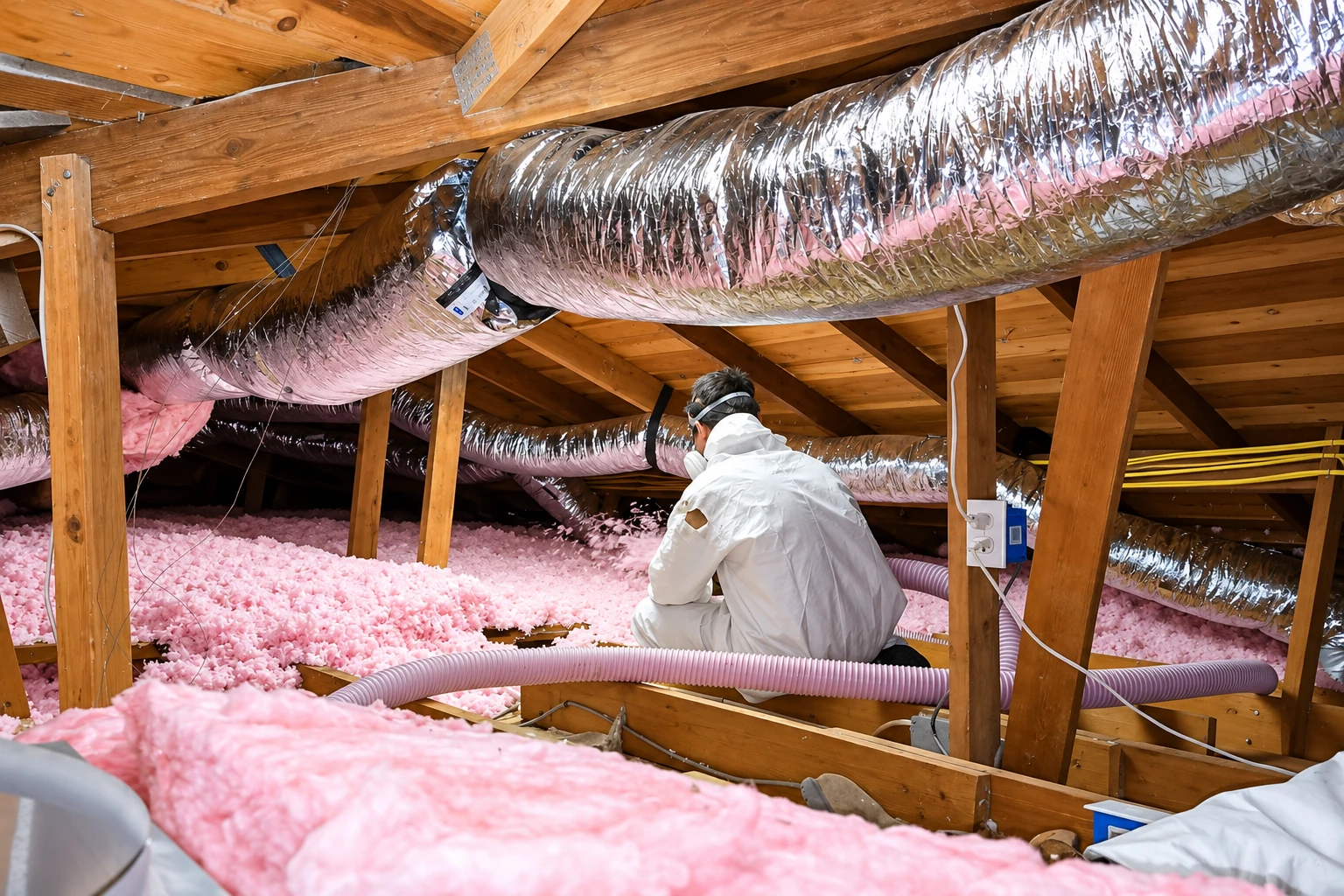
This is what I recommend for most attics, because sealing each gap and then topping up the blown-in, loose fill blown through a hose, gets you the seal for less. It suits attics with dry, clean insulation and no ducts running through.
Spray foam for duct-filled attics
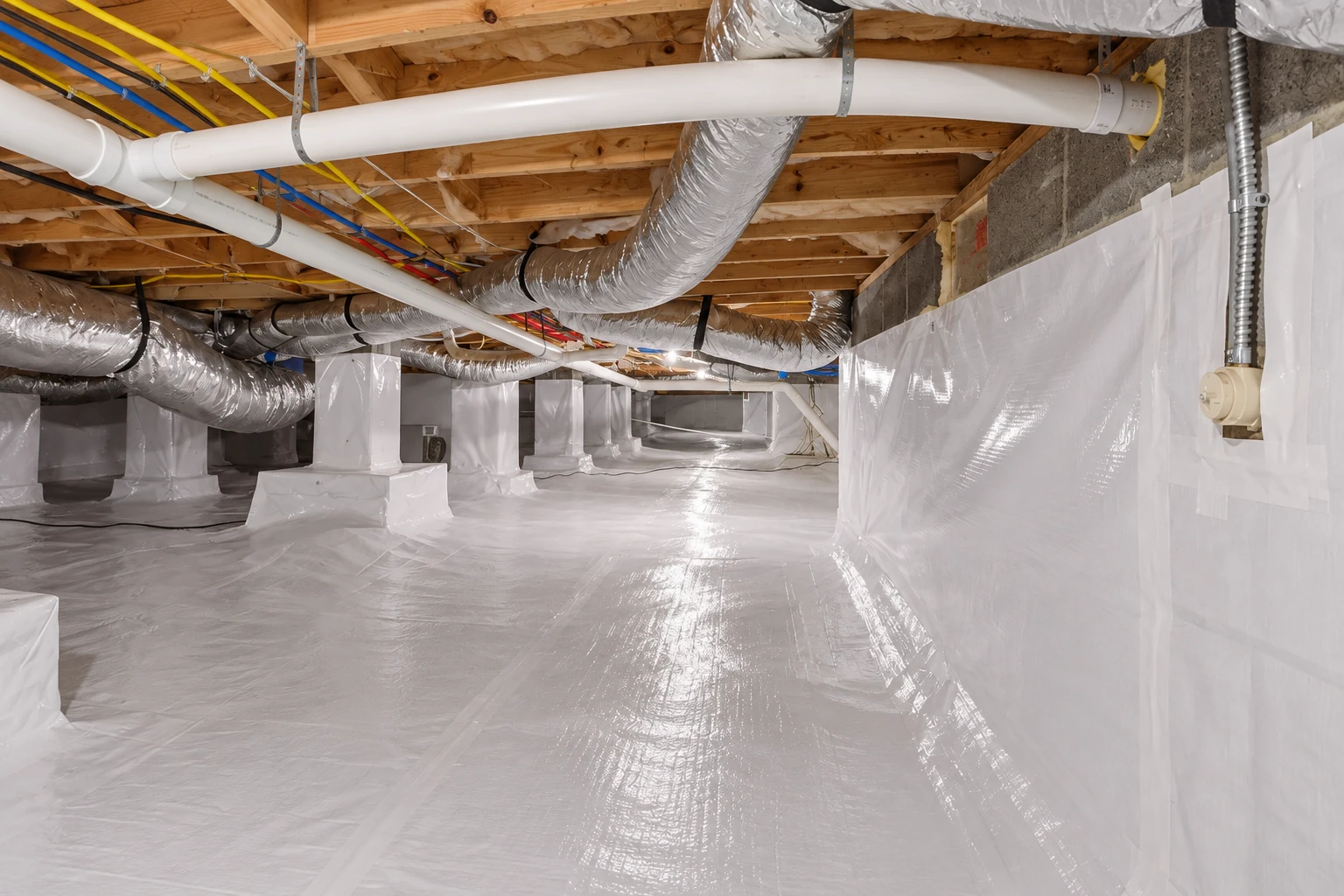
Foam costs more, but it seals and insulates at the same time, so it's the better pick when your ductwork lives in the attic. It also suits rim joists and floors over a garage or crawl space.
How do you know your house is leaking air?
Drafts at outlets and trim
You feel cool or warm air at outlets, baseboards or around the attic hatch. That usually means gaps behind the wall or ceiling, and until they're closed you keep paying for air that walks out.
A hot upstairs
The upstairs or the room over the garage runs hotter than the rest of the house. Attic air is often finding its way down around lights and pipes, so the AC runs longer every day.
Dark streaks on insulation
Gray or black smudges show on the insulation near pipes, wires or the hatch. That's dust left behind by moving air, and the longer it goes, the more attic air ends up in your rooms.
Damp wood or a musty smell
You notice damp spots on framing or a stale smell in the attic or crawl space. Leaking air is often carrying moisture in, and wet wood only gets harder to fix the longer it sits.
What happens after you call us about air sealing?
I look, then write it up
You call or write, and I come look in the attic or under the house. You then get a written estimate that lists what needs handling first and the steps in order.
We set the date and work
Once you say yes, we set a date and take care of the permit and inspections when the job needs them. Clear a path to the attic hatch before the crew arrives.
Walk through the finished work
Before we leave, I walk you through what we sealed and what we left open on purpose. We also go over the gas appliance check so you know who to call.
Air sealing questions we hear
These answer what most people ask before they hire anyone for air sealing. If your house raises a different question, ask it when you call, and have a list of your gas appliances ready.
How much does air sealing cost in the San Diego area?
Insulation work that includes air sealing in the San Diego area usually costs about $1,200 to $5,000 per job. Where your house lands depends on how much old insulation covers the leaks, how hard the attic is to reach, whether foam is part of it and what has to be fixed first. Your written estimate gives you the figure for your own house.
Can I seal air leaks in my house myself?
You can seal the obvious leaks yourself, around door frames, pipes, vents, wires, ducts and fans. That won't catch the small, hard-to-find leaks, and in older houses those usually sit in the attic under layers of insulation. If your house has some years on it, plan for a fuller search.
How do I find hidden air leaks in my house?
Certified home energy assessors find them with a blower door test, a fan set in a doorway that pulls air out so leaks show up, and an infrared camera that shows where air is moving. An assessment is a useful first step because the assessor can also tell you how well the house is ventilated. When I'm in your attic, I look under the old insulation around pipes, wires and the hatch, where those leaks usually hide.
Do I need a permit for air sealing in Escondido?
The city's building list doesn't settle it, so it's worth asking about your job. The City of Escondido's building office takes re-roof, HVAC and remodel permit applications through its online portal, and air sealing isn't on that list, so check with the city's building office, and we check with the city or county building office for every job too. In California, state energy testing called HERS may be required depending on the work, and a properly permitted job is what brings in any testing it needs.
What is the best way to air seal an attic before adding insulation?
Seal first, then insulate, as one job in that order. For an existing vented attic, the guidance is to seal the openings in the attic floor before any new insulation goes down. New insulation laid over open gaps just ends up fighting a draft.
Will air sealing block my attic vents?
It shouldn't, because the vents aren't leaks. Soffit, ridge and gable vents and combustion air ducts are openings meant to stay open so air can move through them, and a careful crew seals the leaks and leaves those clear. I'll point out each one when we walk through the finished work.
Get a written air sealing estimate
Tell us your home's age, how you reach the attic and which gas appliances you have, and we'll reply within one business day to set my visit. The estimate is free and on-site, with no obligation.
Air sealing and insulation work
Work that often goes with it
Basement insulation
If your lower level stays cold or damp after the leaks are closed, insulating the basement walls helps it hold steady.
Learn moreClosed-cell foam insulation
When ducts run through the attic or a floor sits over open space, dense foam seals the air and keeps moisture out in one layer.
Learn more