Attic insulation in Escondido CA - a sealed, evenly covered attic over your rooms
Hot upstairs rooms and a high power bill usually start in the attic. We seal the gaps, then insulate evenly to the edges.
Get your attic looked at first
Call (442) 281-9783 or use the form, and mention anything stored up there or any flooring laid over the attic floor, since both change how the job gets planned.
Is your attic the reason the upstairs stays hot?
Attic insulation in Escondido means sealing the gaps between your rooms and the attic, then adding an even layer of insulation on top, so your house holds its temperature and the attic is less likely to collect moisture.
At ThermaFit Escondido Insulation Services, most calls start with a hot bedroom upstairs, a drafty hallway or a power bill that keeps climbing, often in an older house where nobody's sure what's up in the attic. The price moves with the size of the attic, how much old insulation is there and what shape it's in, how many gaps need sealing, and anything that has to be fixed or tested before new material goes in. The schedule turns on those same things, plus whether a permit is involved. Once I've been up there, you get a written estimate with the steps in order, so you see your own figure and the reason behind each part.
Why Escondido homeowners call us before anyone goes up in the attic
I check the attic myself
I come out to look at every job myself, and our installers do the work with me checking in along the way. The person who planned your attic is the one keeping an eye on it.
In business since 2020
Six years in, most of our calls still come from owners of older houses who want to know what's up in the attic. We know what those attics tend to hide.
Licensed, insured and based nearby
We're licensed and insured. We're based in Escondido and work in many cities around it, so getting out to your house for a look doesn't take a long drive.
Up there, the order of the work matters most, so it starts with me seeing your attic. Send us a note or call (442) 281-9783 to set a time.
How we do attic insulation, step by step
Before anyone climbs up with a hose, I go see what's there, because insulation laid over a problem just hides it. We sort out anything that shouldn't end up buried, like old wiring or a bath fan venting into the attic, and I'll tell you early if stored belongings need to come down first. If the old insulation is soaked or full of droppings, it comes out instead of getting covered. Then we close the gaps around lights, pipes, flues and the hatch so the new layer isn't fighting a draft, keep the eave vents clear so the attic can still breathe, and spread the insulation evenly out to the edges, where it's usually thinnest. We clean up the path we used before we go.
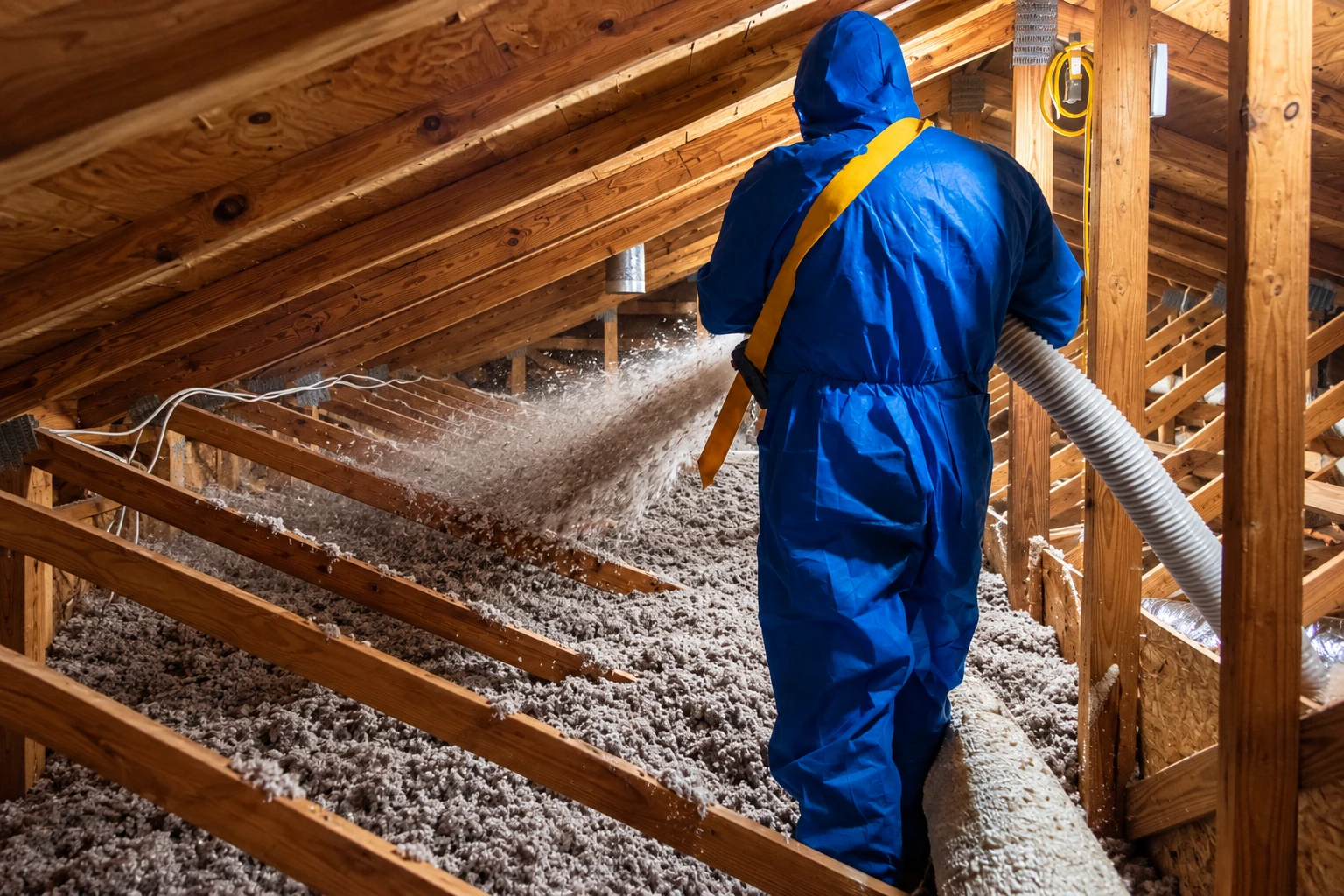
Most attics we see get topped up with blown-in insulation, loose fill blown through a hose that settles around framing and wires without tearing anything out. If the attic is only part of why the house feels uneven, our home insulation work looks at the walls and floors too.
Seal the gaps, top up with loose fill
This suits most existing attics with room to work, because sealing stops the drafts and blown-in fill covers evenly over what's already there. It's what I recommend most often, since it costs less than foam and does the job.
Spray foam when the ducts live up there
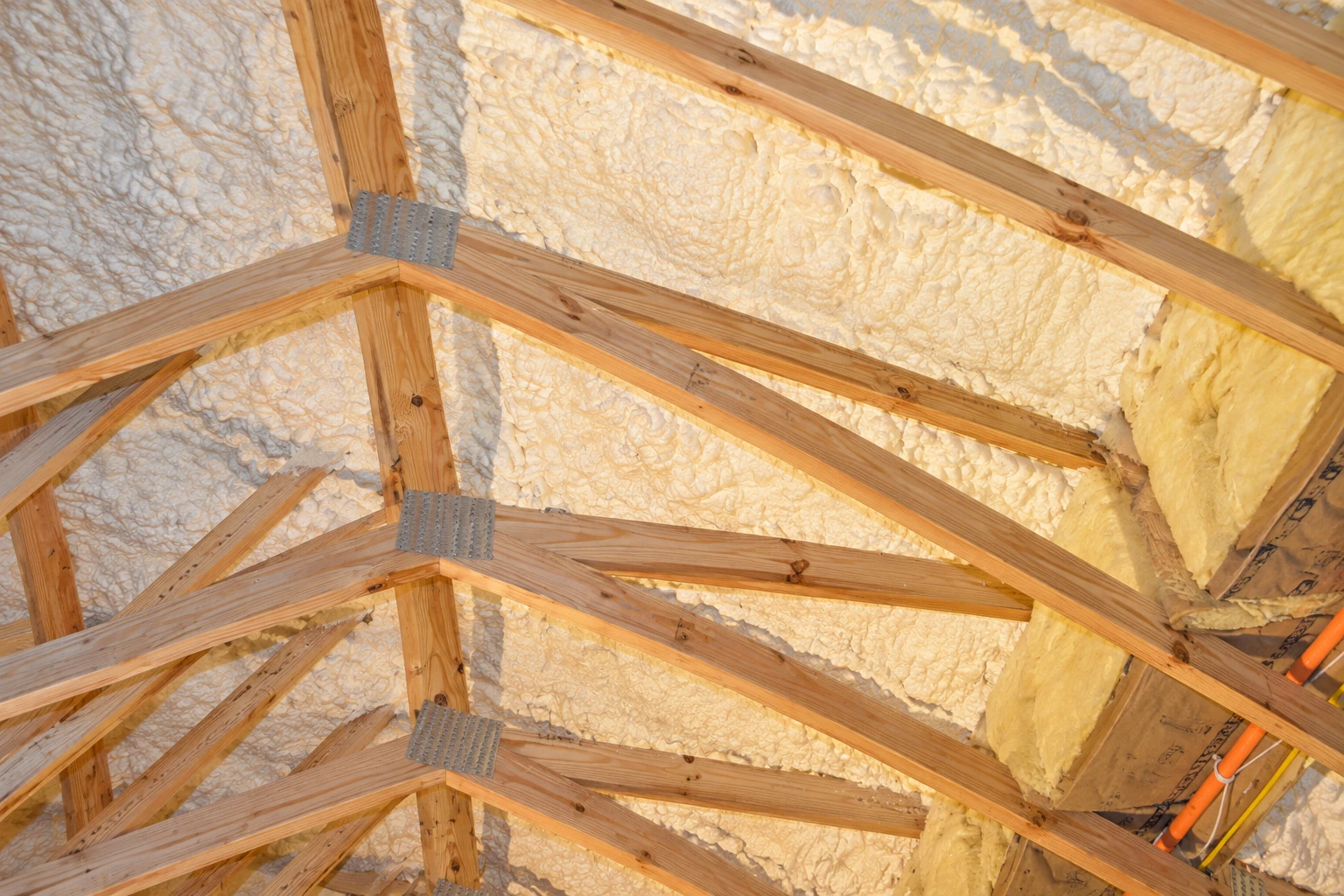
If your ductwork runs through the attic, foam sprayed under the roof brings those ducts inside the insulated space. Foam costs more and seals air while it insulates, so that's mainly where it earns its price.
How can you tell your attic insulation isn't doing its job?
Upstairs stays hot
The bedrooms upstairs stay warm long after sundown while the AC keeps running. That usually means thin insulation or open gaps overhead, and every summer it waits, the power bill carries it.
The room over the garage
One room runs colder in winter and hotter in summer than the rest of the house. It usually has thin spots or open gaps around it, and it won't even out on its own.
You can see the joists
Open the hatch and if the framing sticks up above the insulation, there isn't much left up there. Older houses often have only a few inches, and it keeps settling the longer it sits.
Stains or droppings up there
Dark stains on the wood or droppings in the insulation mean a leak, trapped moisture or animals got in. Covering that over hides it, and the damage keeps going underneath.
What happens after you call about your attic?
I come out and look
We set a time, and I go up in the attic to note what's there and what needs handling first. You get a written estimate with the steps in the order we'll do them.
We set the date and work
Once you say yes, we set the date and tell you what to have ready, like a clear path to the hatch. Our installers do the work, and I check in along the way.
We walk you through it
Before we leave, we show you what was sealed, what went in and how it covers out to the edges. We clean up the route we used to get up there.
Attic insulation questions we hear
These are the questions people ask me most about attic work in Escondido. If yours isn't here, call or send the form and I'll answer it for your attic.
How much does attic insulation cost in the San Diego area?
Blown-in fiberglass attic insulation with air sealing at the obvious gaps usually costs about $1,200 to $1,400 per job across the San Diego metro area. That's the going rate for that scope, not our quote, and a bigger attic, old material that has to come out or problems to fix first will move it. After I've seen your attic, the written estimate gives you your own figure.
Do I need a permit for attic insulation in Escondido?
It might, and the city's published list doesn't answer that for this job. The Escondido Building Division says more work needs a permit than is exempt, and the permit types it lists online are things like re-roofs, HVAC and remodels, without naming attic insulation, so the Building Division is the place to ask. We check with the city or county building office on each job, and when a permit is needed, we take care of it and the inspections that go with it.
What is the best way to insulate an existing attic?
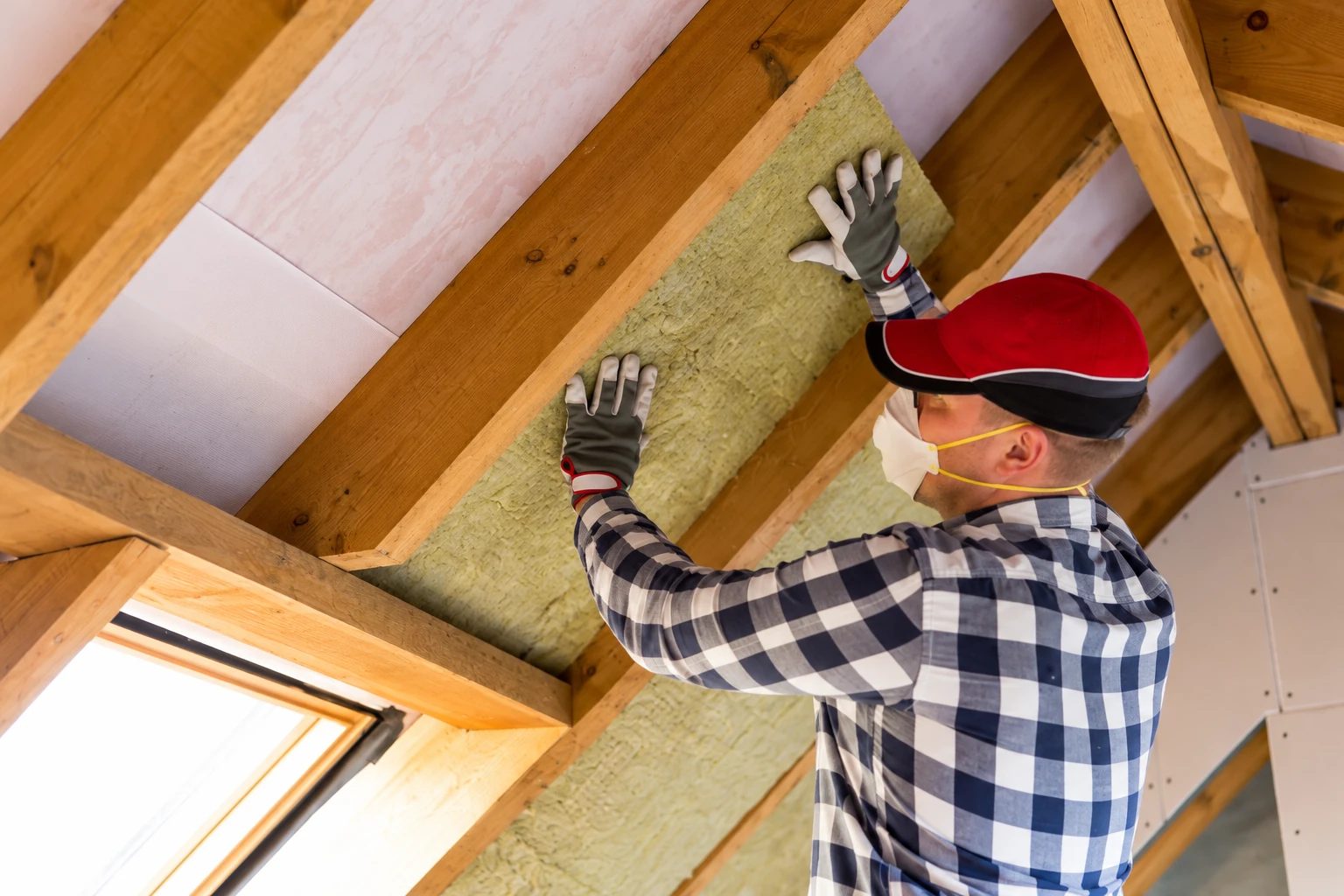
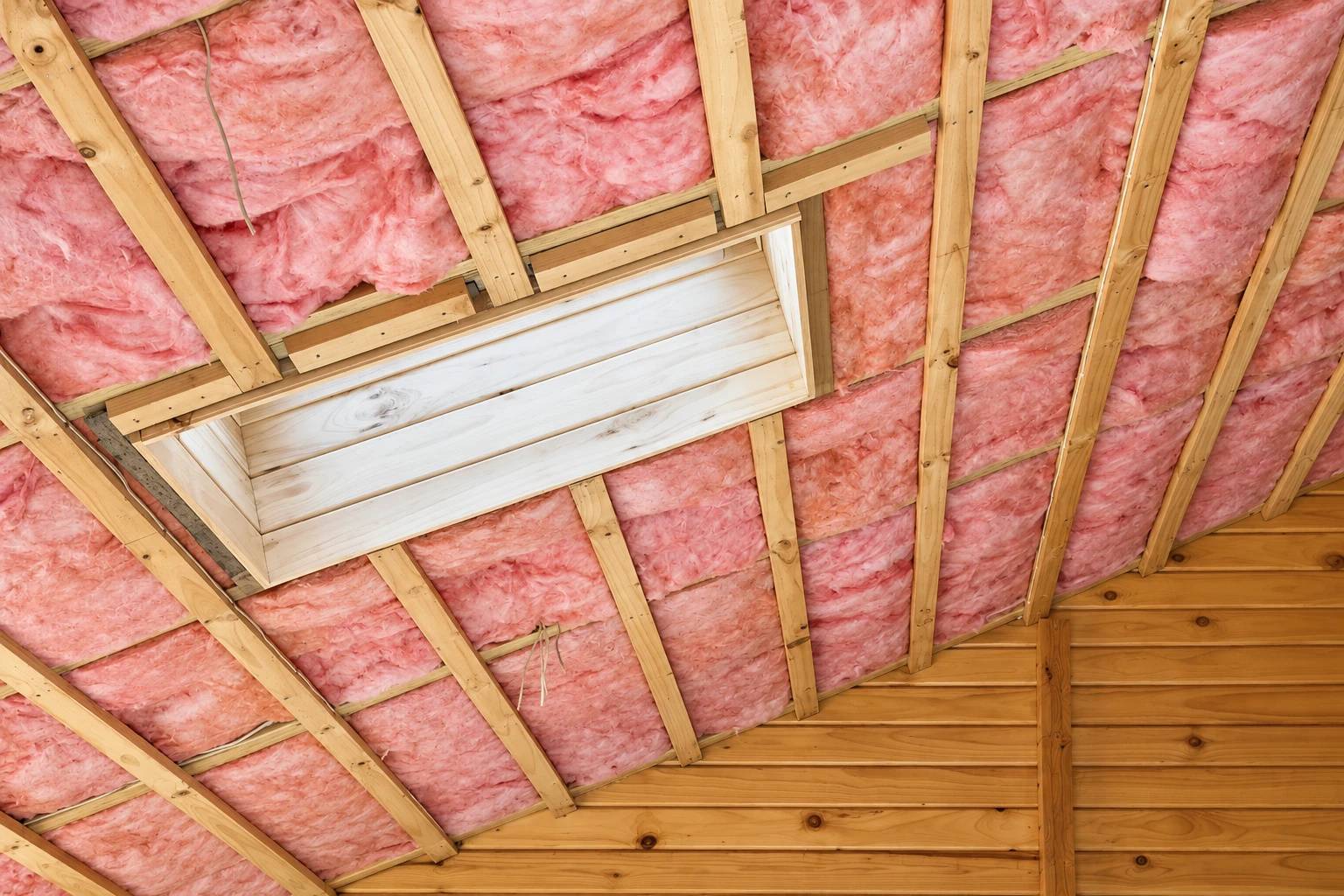
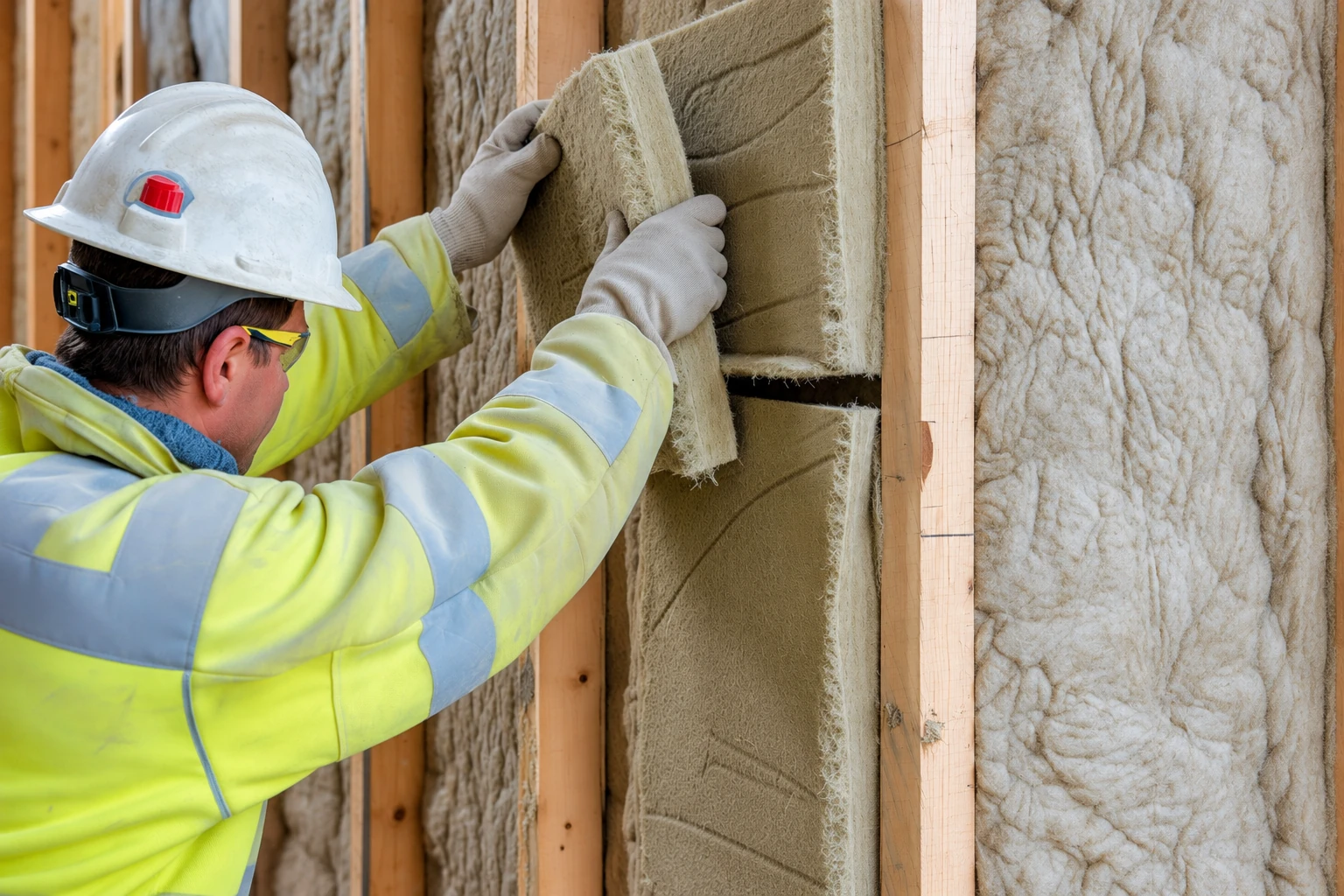
For most existing attics, seal the gaps in the attic floor first, then add loose fill, because it fits any space and covers without disturbing what's already up there. Blanket insulation in rolls or precut batts is perhaps the most common type in US homes and works where the framing is open and regular. Either way, sealing comes first, since insulation can't stop air moving through a hole.
What should I do if my attic has vermiculite insulation?
Have it tested before anyone seals or insulates the attic, because vermiculite may contain asbestos. It looks like light, pebbly gray-brown granules, and if I find it, we stop there until it's been tested and you've had professional advice. You can also contact the State Department of Health about it.
How do I air seal my attic safely if I have a gas furnace or fireplace?
Find out how much fresh air the house needs and how your fuel-burning appliances vent before the attic gets sealed, because an appliance short of air can give off carbon monoxide. Federal air sealing guidance also says to hold off if the house has an unvented kerosene heater or gas fireplace, or if the roof leaks. I note how your appliances vent on the estimate visit, and anything that needs changing goes first in the plan.
Who can install attic insulation in California?
California's C-2 Insulation and Acoustical classification is the contractor license that covers installing any insulation used for temperature or sound control. Ask anyone you're thinking of hiring which license they hold before they go up in your attic.
Get a written plan for your attic
Tell us what's going on upstairs and anything stored in the attic, and we'll reply within one business day to set a time for me to come out. The estimate is free, done at your house, with no obligation.
Attic insulation, up close
Work that often goes with it
Blown-in insulation
When the old layer is clean but thin, blown-in fill is usually the simplest way to bring it back up.
Learn moreHome insulation
If drafts and cold floors show up beyond the top floor, a whole-house look tells you where to start.
Learn more