
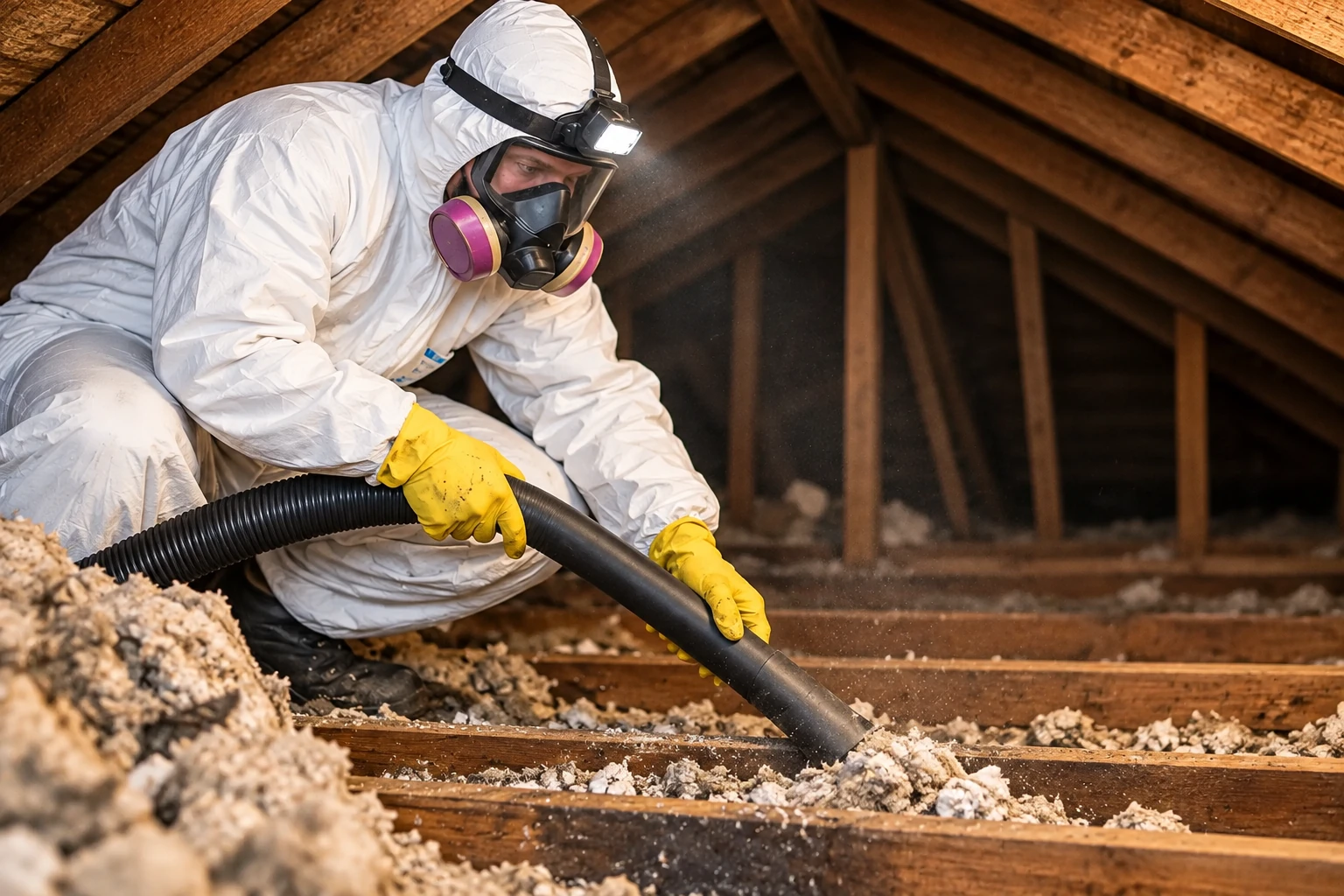
Blown-in insulation in Escondido CA - an even layer from the middle out to the edges
Upstairs too hot, the room over the garage drafty, the power bill climbing? We check your attic first, then blow in an even layer.
Book a look in your attic
Call (442) 281-9783 or send the form, and tell us how old the house is so I have a good idea what's up there before I climb in.
What does blown-in insulation do for an Escondido attic?
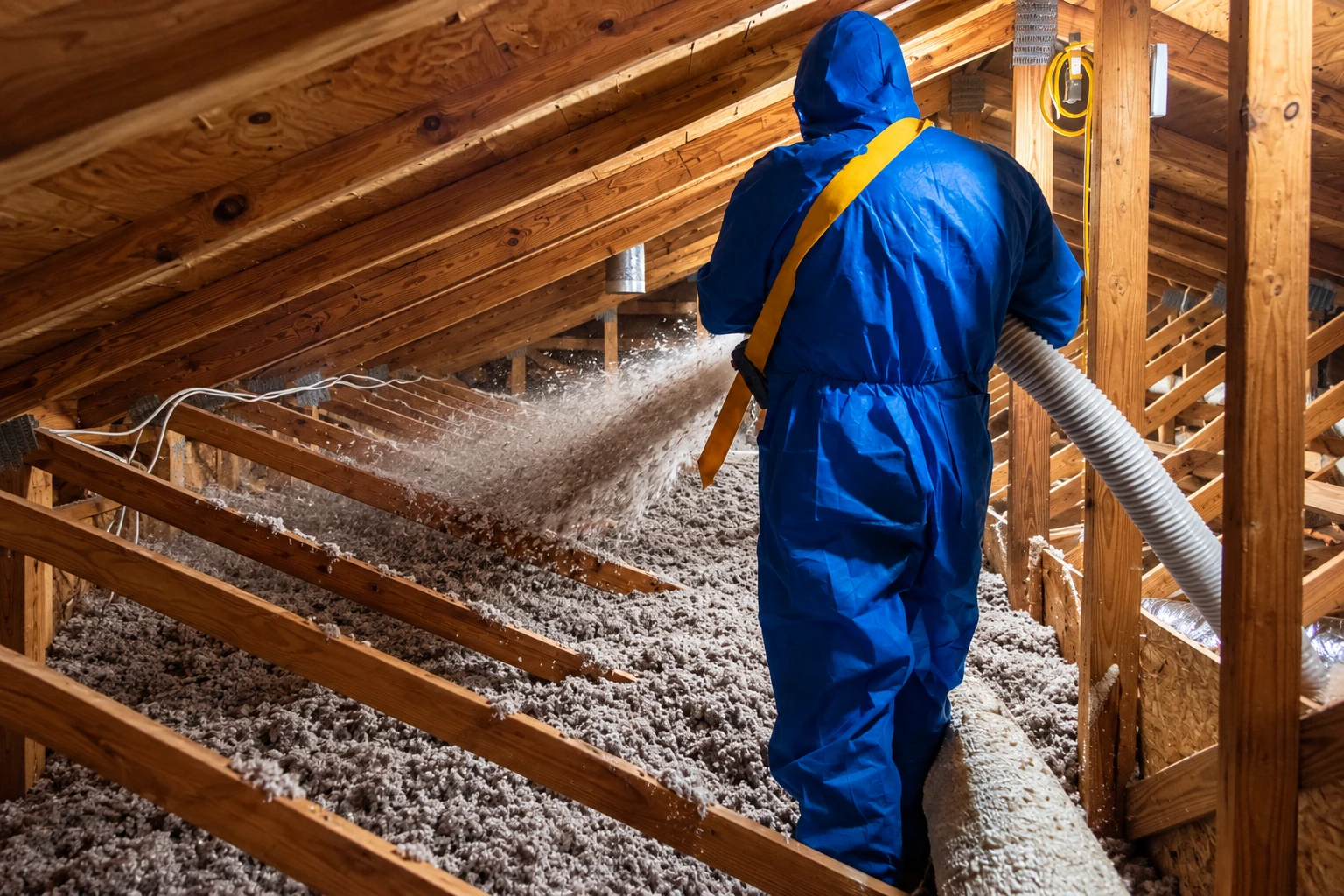
Blown-in insulation is loose fill that a machine blows through a hose across your attic floor, and for Escondido homes where the old layer has settled thin, it's usually the simplest way to keep the upstairs cooler and the power bill in check. The same material can also go into wall cavities and the spaces between floors.
Most of our calls come from owners of older houses where the top floor won't cool down, the room over the garage never feels right, and nobody's sure what's actually up in the attic. The price moves with how much attic floor there is, how deep the new layer needs to go, and whether anything has to be fixed or cleared out before we blow, and that last part sets the schedule too, because a roof leak or a moldy patch gets handled first. Once I've seen your attic, the written estimate lays out your steps in order. We're based in Escondido and do the same work in many cities around it, including San Marcos, Vista and Poway.
Why Escondido homeowners call ThermaFit Escondido Insulation Services for blown-in insulation
The owner checks every attic
I come out to look at each job myself, and our installers do the work with me checking in along the way. So the person who saw your attic keeps the crew to that plan.
Insulating attics since 2020
We've been doing this work since 2020, and we're known for showing up when we said we would and explaining the plan in plain words first. You'll know what's happening on your job without chasing us.
Licensed and insured in Escondido
We're licensed and insured. Escondido asks any contractor on a permit for a City Business License and proof of workers' comp, so ask to see both from whoever you hire.
On this job the order matters most, because insulation laid over a leak or a problem just hides it. Contact us or call (442) 281-9783, and I'll set a time to come look.
How we put in blown-in insulation
I start by checking how deep the old insulation sits and whether it's dry, because new material blown over a damp or dirty layer only hides the problem. When it's in good shape, our installers seal the gaps around can lights, pipes and the hatch so the new layer isn't fighting a draft, keep the eave vents open so the attic can still breathe, and then blow the new layer evenly right over the old one. We carry it all the way out to the edges, where attics usually come up thin, and clean up around the hatch before we go.
When the old layer is soaked, moldy or full of droppings, it can't stay, so insulation removal comes first and the new fill goes onto a clean attic floor. If the drafts and cold floors reach past the ceiling, our home insulation work takes in the walls and the crawl space too.
Cellulose loose fill
It's made from recycled paper treated to resist fire and pests, and it settles into the gaps around framing. That makes it a good fit for most attic top-ups over a sound existing layer.
Fiberglass loose fill
It's lighter and fluffier than cellulose and doesn't soak up moisture the way paper can. It suits attics where you'd rather keep the weight down on an older ceiling.
Spray foam instead
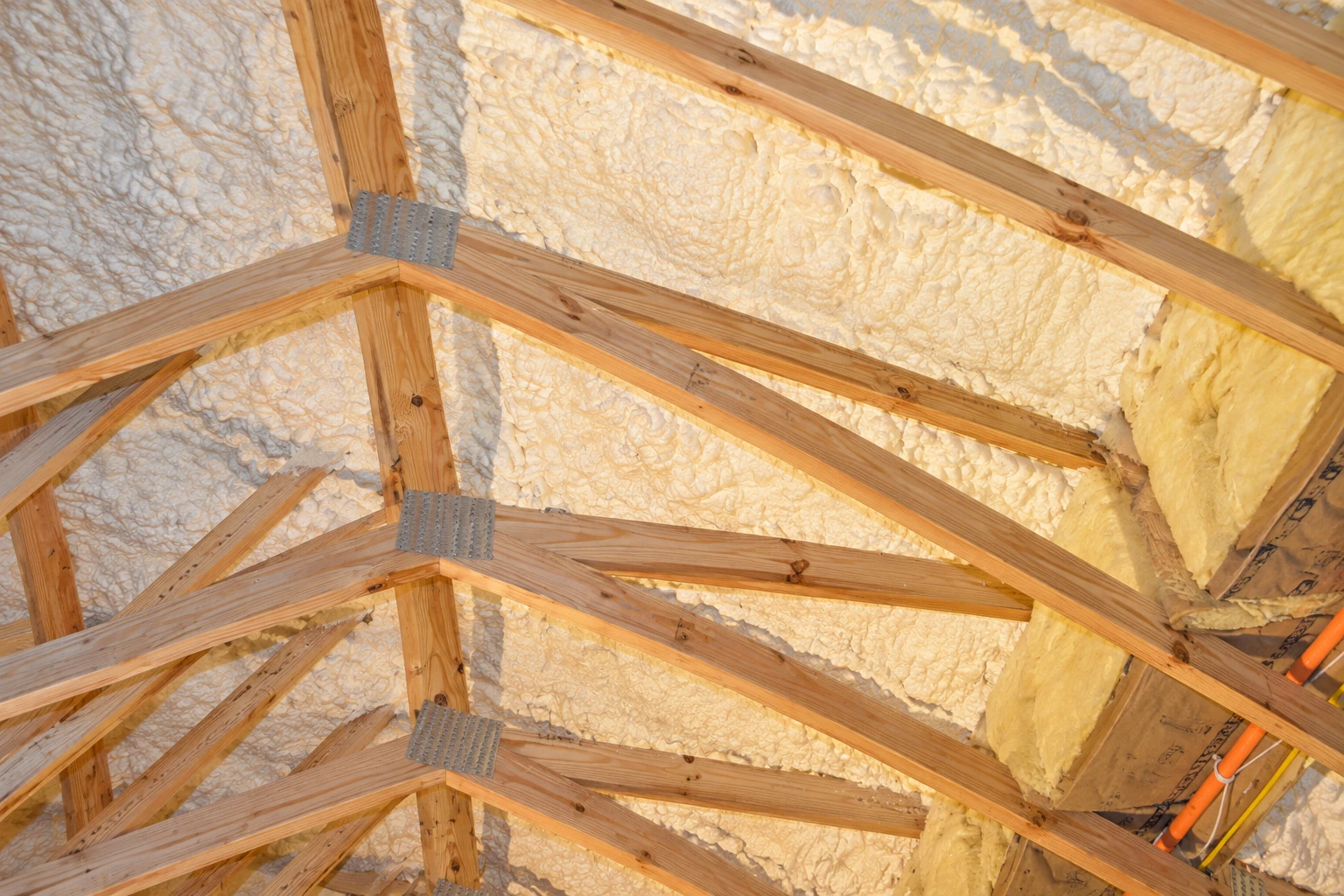
Foam costs more but seals air while it insulates, so it earns its price when your ductwork runs through the attic. Otherwise, sealing the gaps and topping up with loose fill usually wins.
What tells you the attic is coming up short?
Upstairs stays hot
Bedrooms upstairs stay warm long after sunset while the ground floor cools off. That usually means heat is coming through a thin attic layer, and every summer you wait the AC runs harder.
The room over the garage
One room never matches the rest, hot in August and chilly in winter. The ceiling over it is often the thinnest spot, and until it's fixed you pay to condition a room nobody uses.
A climbing power bill
The bill keeps creeping up even though you haven't changed how you run the house. Settled or patchy insulation is a common cause, and the cost adds up every season you leave it.
Drafts around the hatch
You feel air moving at the attic hatch, can lights or ceiling fixtures. Those gaps let attic air into the house, and piling on insulation won't stop it until they're sealed.
What happens after you call us about blown-in insulation?
Book the attic look
We set a time for me to come out, look in the attic and note what needs handling first. Then you get a written estimate with the steps in order.
Set the date and start
Once you say yes, we set the date and take care of the permit and inspections if it needs them. Clear a path to the hatch, and our installers start with what comes first.
Walk through the finished attic
Before we leave, we walk you through what went in, how deep it sits and where we sealed gaps and kept vents clear. Ask anything then, while the crew is still there.
Blown-in insulation questions we hear
Here's what people in Escondido usually ask before we blow in insulation. If your question isn't here, call (442) 281-9783 and tell me what you're seeing up there.
How do I tell if my attic needs more insulation?
If the insulation sits level with the tops of the floor joists or below them, your attic probably needs more. Open the hatch and shine a flashlight across the floor without climbing in, and that quick look tells you whether a quote is worth your time. Jot down what you see so I know what to expect when I come out.
What is the best way to add blown-in insulation over old batts?
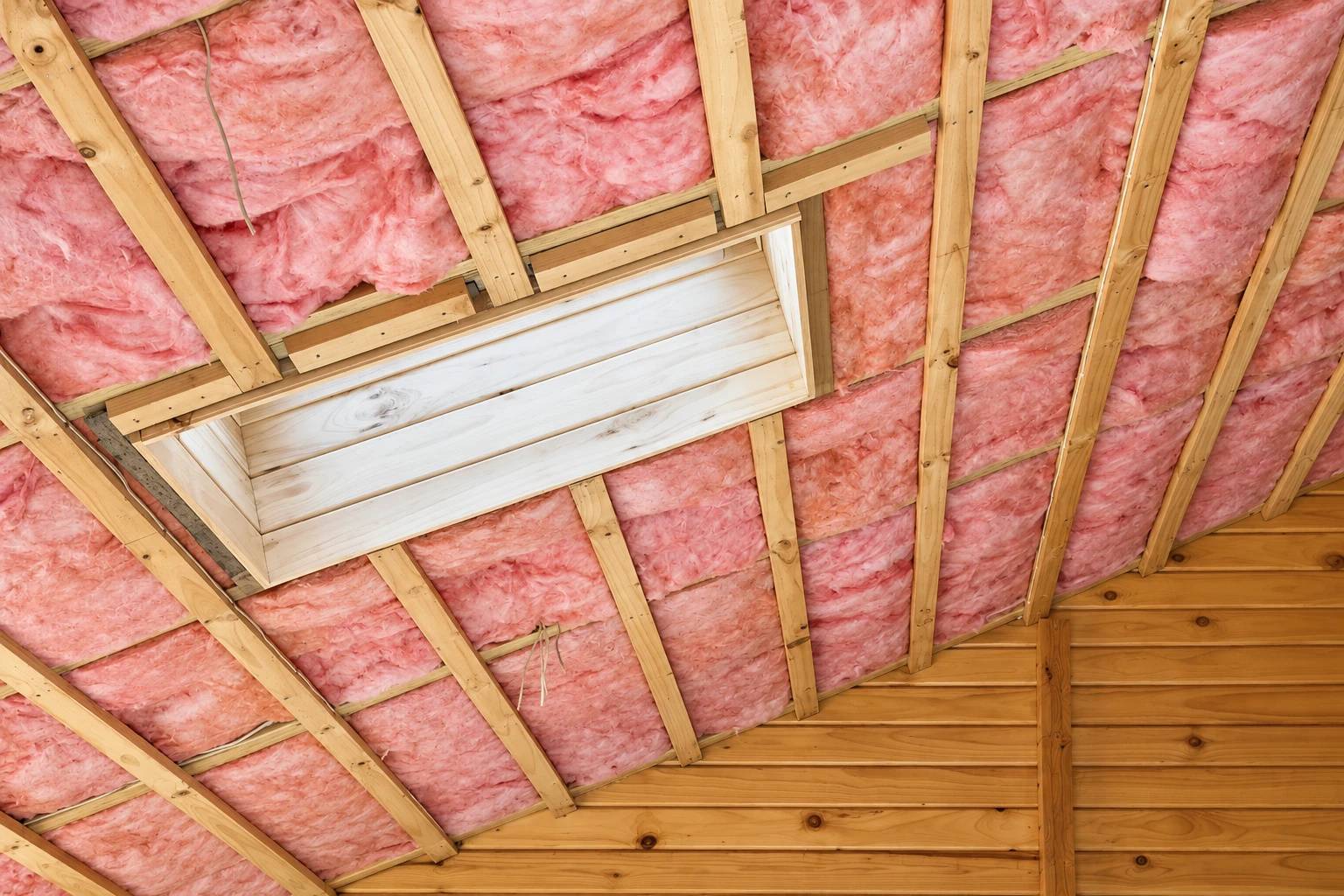
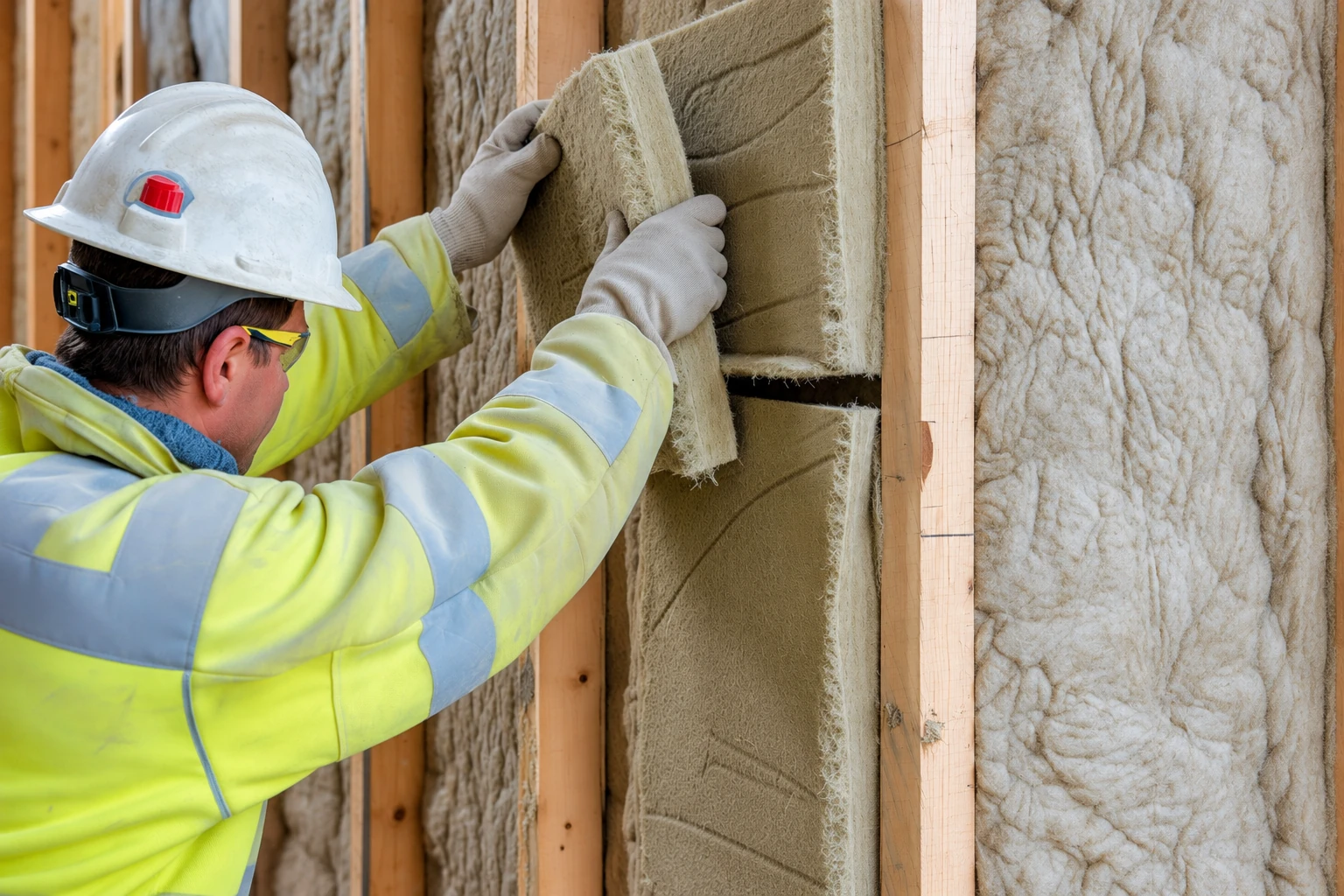
Seal the attic's holes and gaps first, then blow loose fill right on top of the fiberglass batts or blankets, since the new layer doesn't have to match the old type. It takes a blowing machine, so most people hire it out, though some home improvement stores rent one. The usual advice is that a contractor who won't agree to seal before insulating is a reason to call someone else.
How much does attic insulation cost in the San Diego area?
Insulating an attic in the San Diego area usually costs about $2,000 to $6,000 per job. Your own number comes from the written estimate I send after I've been up in your attic, and the work is backed by our satisfaction guarantee.
What needs fixing in my attic before new insulation goes in?
Wet or damp insulation, moldy or rotted framing, vents that send moist air into the attic, and little or no ventilation all need a proper fix before anything new goes in. Wet insulation usually points to a leaky roof, and old knob and tube wiring, the early kind strung on porcelain knobs, can be a fire hazard where insulation touches it. If I find any of these, the estimate puts that fix first.
What should I do if my attic has vermiculite insulation?
Leave it alone. The EPA recommends not disturbing vermiculite, because disturbing it can release asbestos fibers into the air. If you decide to have it removed, that's a job for a trained and accredited asbestos abatement contractor, a different company from the one that assessed it, so mention it when you call if you think you have it.
Who can pull a permit for insulation work in Escondido?
In Escondido, a licensed contractor, the owner, or an agent of either can obtain a permit, and an agent needs specific written authorization to do it. A contractor on that permit needs an active state contractor license, and California lets people work without one only on jobs under $1,000 that need no permit, done by someone who employs no one. You can check the permit rules with the city before you hire.
Get a written estimate for your attic
Tell us where the house is and whether the insulation sits at or below the joists, looks damp or moldy, or might be vermiculite. We reply within one business day to set a free on-site estimate, with no pressure and no obligation.
Blown-in insulation up close
Other work that often comes with it
Insulation removal
For attics where what's up there now has to go before anything new can go down.
Learn moreHome insulation
For houses where the drafts and cold floors don't stop at the ceiling and the walls and crawl space need a look too.
Learn more