
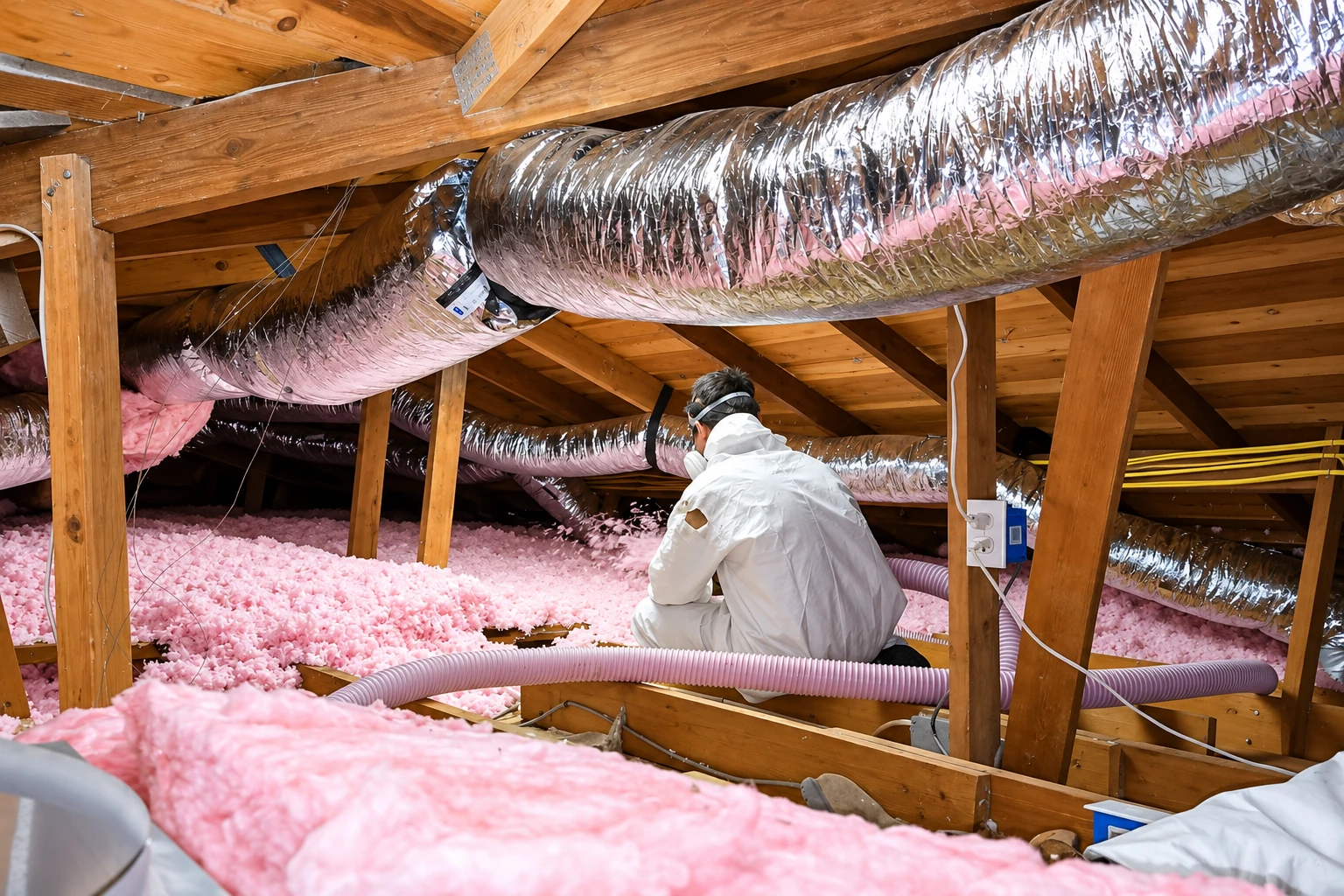
Crawl space insulation in Escondido CA - floors that stay warmer underfoot
Cold floors and a musty draft coming up from under the house? We seal your floor from below and fit the insulation snug against it.
Get your crawl space looked at first
One visit under the house tells us what's down there and what order the work goes in, so call (442) 281-9783 or send the form.
Why are the floors over my crawl space so cold?
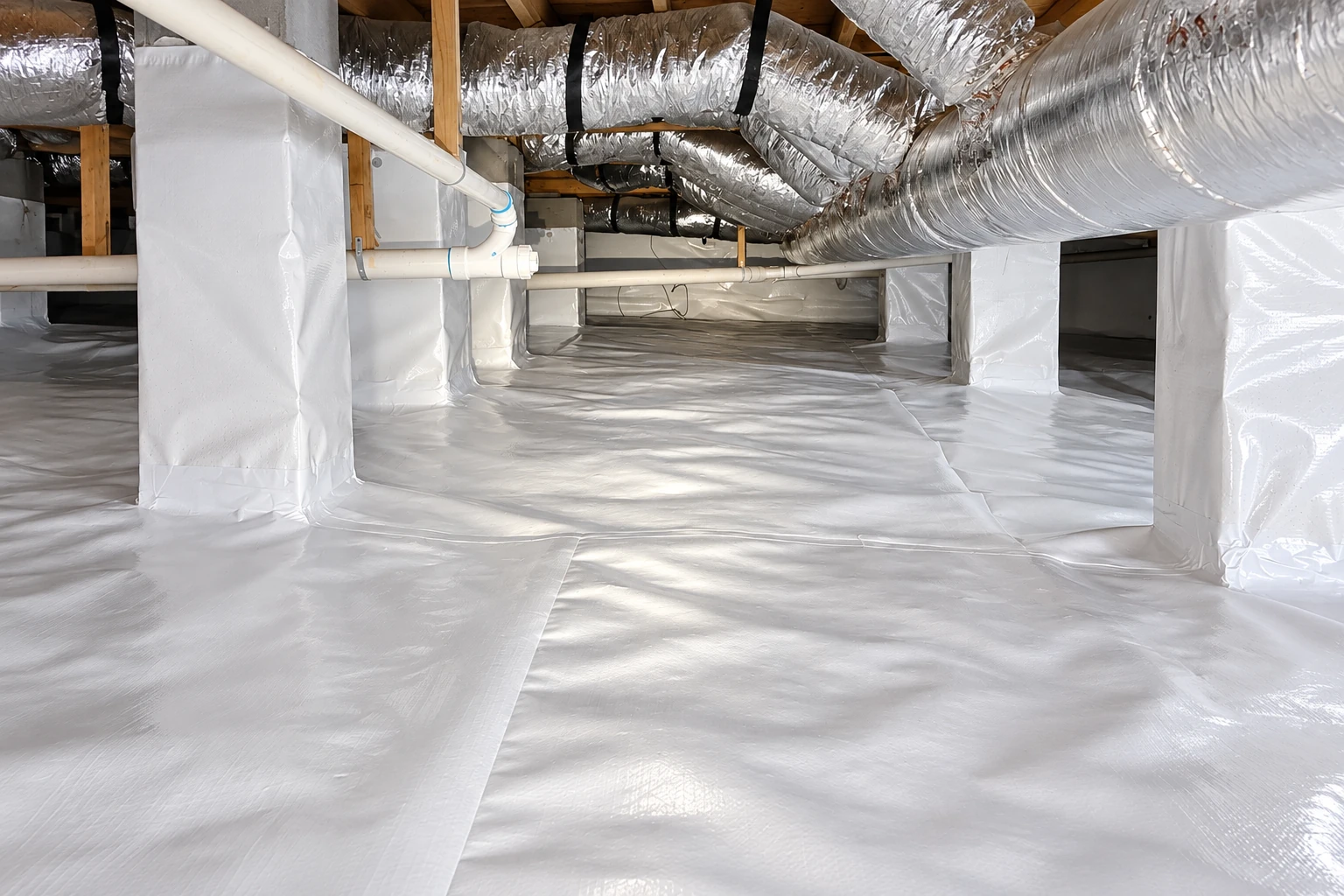
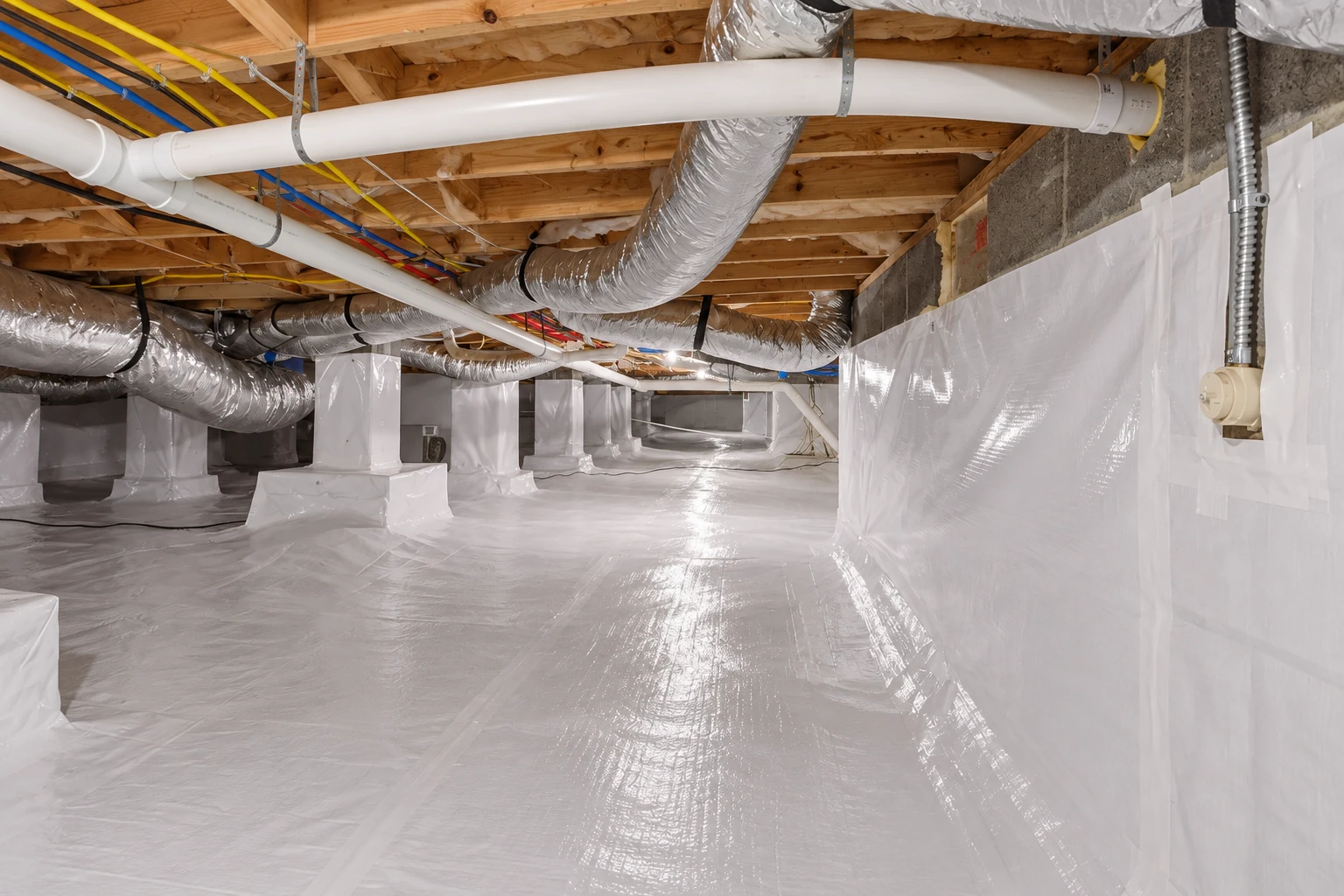
Crawl space insulation in Escondido puts batts, spray foam or a mix of the two on the underside of your floor, in full contact with it, so the cool, damp air under the house stops pulling heat out of the rooms above.
Most of these calls come from owners of older homes with cold floors, a draft along the baseboards or a power bill that climbs every winter. The price moves with the size of the crawl space, how easy it is to get under, whether old or wet insulation has to come out first and whether batts or foam suit your floor. The schedule turns on what I find down there that needs handling first and whether the job needs a permit, and my written estimate lays out both, one step at a time.
Why Escondido homeowners call ThermaFit for crawl space work
I check every crawl space myself
I come out to look at each job myself, and our installers do the work with me checking in along the way. You hear the plan from the person who was under your house.
Licensed and insured in California
We're licensed and insured. That counts under a house, where the crew works around your gas lines, wiring and plumbing, and you want the people down there covered for it.
Since 2020, mostly older homes
We've been in business since 2020, and most of our calls come from older houses around Escondido. Their crawl spaces can hide wet insulation or old pipe wrap, so we look before anything goes up.
Under a house, the order of the work matters most, because insulation laid over a leak or a gas problem only hides it. Tell us about your crawl space and we'll set a time for me to come take a look.
How we handle crawl space insulation
Under the house, I check the vents, any gas equipment and the old pipe wrap first, because those decide what's safe to touch and what has to happen before anything else. If old insulation is wet or soiled, it comes out before new goes in. Then our crew seals the holes where pipes, wires and ducts pass through the floor, and works the insulation up snug against the underside, since insulation hanging below with an air gap lets the cold slip right past it. We bag up the scraps and clear out what we brought in before we leave.
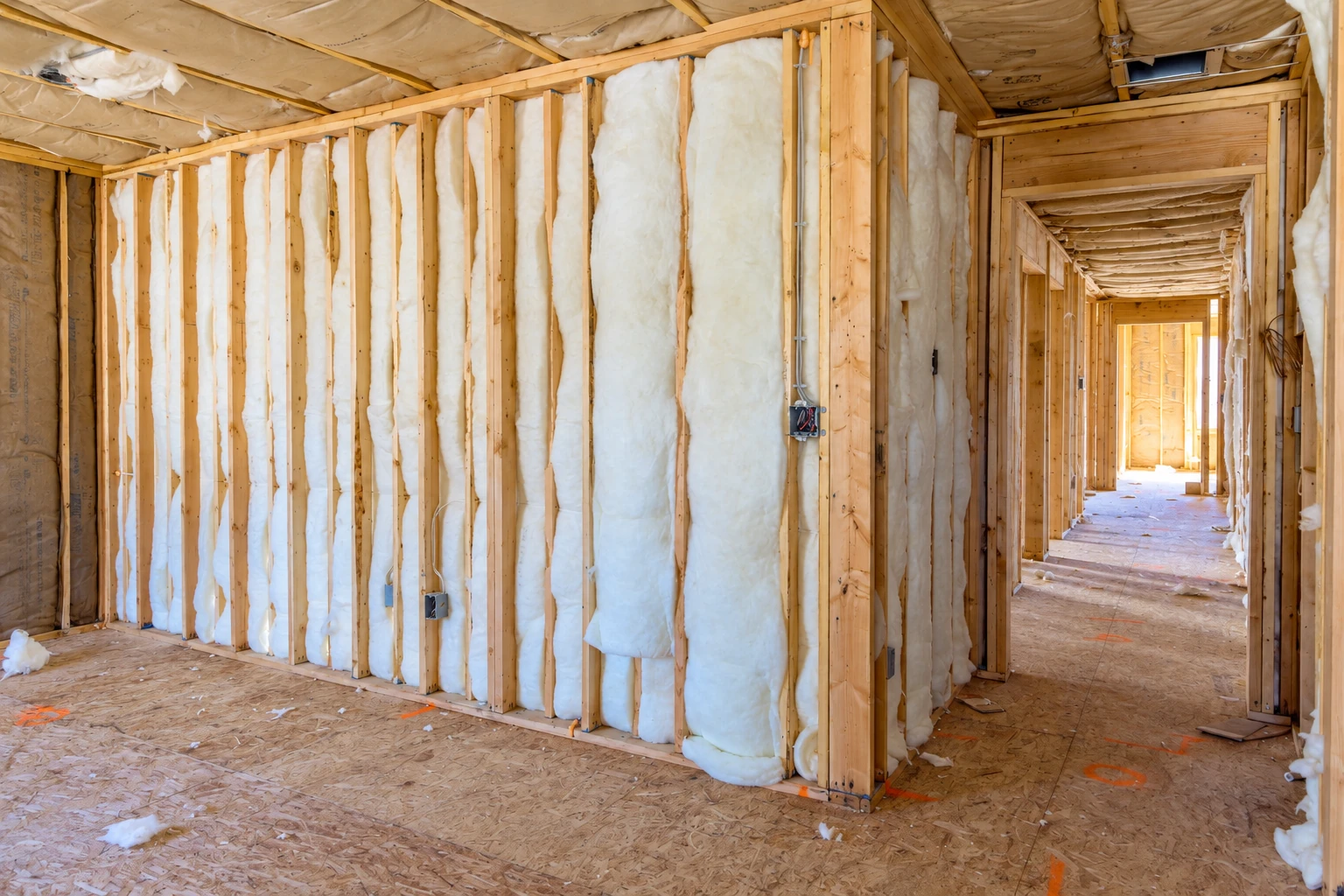
Sealing those floor gaps is the same work we do on a bigger scale with air sealing services, closing leaks around the rest of the house. Older homes often lose heat through the outside walls too, and that's where wall insulation comes in once the floor is done.
Batts under the floor
Batts suit most vented crawl spaces with open joists and room to work, and they usually cost less than foam. Where animals or open air can reach them, weatherization guidance adds a rigid barrier over the batts for protection.
Spray foam under the floor
Foam costs more, but it seals air and insulates in one pass, which helps when the floor is crowded with pipes or your ducts run under the house. Without ducts down there, sealed gaps and batts usually do the job for less.
How can you tell the floor over your crawl space needs insulation?
Cold floors in winter
The floors over the crawl space feel cold even with the heat on. That usually means thin, fallen or missing insulation underneath, and the heater keeps paying for it all winter.
Insulation hanging down
Batts sagging between the joists or lying on the dirt usually lost their supports or got wet. Down there they do almost nothing and can hold moisture against the wood.
A musty smell inside
A damp, musty smell in the rooms above usually means moisture is rising from the ground and slipping up through gaps in the floor. Left alone, it works its way into the framing.
Droppings in the insulation
Droppings or nests under the house mean animals found a way in. Soiled insulation has to come out before new goes up, and the longer it waits, the more there is to remove.
What happens after you call about your crawl space?
Call and set a visit
Call or send the form, and we'll set a time for me to come look. I check under the house, then send a written estimate with each step in order.
Set the date and permit
Once you say yes, we set the date and check with the building office, handling any permit and its inspections. Escondido takes plans electronically, and each review round runs about 30 calendar days once it has a complete set.
Walk through the finished work
When the crew is done, I walk you through what we sealed and insulated under the floor before we leave. You'll know what's down there and what, if anything, comes next.
Crawl space questions we hear
These are the questions Escondido homeowners ask most before work starts under the house. If yours isn't here, call and ask about your own crawl space.
How much does crawl space insulation cost in the San Diego area?
Crawl space insulation in the San Diego area usually costs about $1,700 to $7,800 per job. That's the area's usual range, not our quote, and where your house lands depends on the things covered above, mostly size, access and material. Your written estimate puts a figure on your own crawl space.
What is the best way to insulate a crawl space in Escondido?
Usually it's keeping the crawl space vented and insulating the floor above it, with the gaps sealed first. In a dry climate where the crawl space doesn't need to be part of the house, guidance keeps it separate this way, though research has found sealed, conditioned crawl spaces do better in most climate zones. Sealing one takes more than closing the vents, since closing them alone can raise the moisture down there, and if naturally vented gas equipment sits under the house, simply sealing the vents could create a deadly situation.
What happens if there's old asbestos pipe wrap in my crawl space?
A certified asbestos abatement firm has to be hired to inspect the wrap and decide how it's handled. Older crawl spaces sometimes have it on pipes and ducts, which is why I look at the wrap before anyone touches it. We leave it alone and schedule our work once that's sorted out.
Does a crawl space need a vapor barrier on the ground?
Yes, guidance says a crawl space must always have a ground cover that stops moisture in the soil from rising into it, whether it stays vented or gets sealed. I check what you have when I'm under the house, and if it's missing or torn, that's our crawl space vapor barrier work.
What license does an insulation contractor need in California?
Insulation work falls under California's C-2 Insulation and Acoustical classification, which covers contractors who install any insulation for temperature or sound control. Floor insulation over a crawl space is part of that, the same as attic or wall work.
How do I know if my Escondido home has radon?
Testing is the only way to know, because California's radon maps are advisory and can't show the level inside a particular house. If you've tested, have the result handy when I come out.
Get a written crawl space estimate
Tell us your home's age, the rough crawl space size and what you know about the vents, pipes and ducts. We reply within one business day to set my free on-site estimate, with no obligation.
What the work looks like
Other work that pairs with it
Wall insulation
Rooms that stay chilly with a warm floor underfoot are often losing their heat through uninsulated outside walls.
Learn moreAir sealing services
Drafts around outlets, pipes and the attic hatch follow the same path as the ones under the floor, so closing them cuts the cold across the whole house.
Learn more