
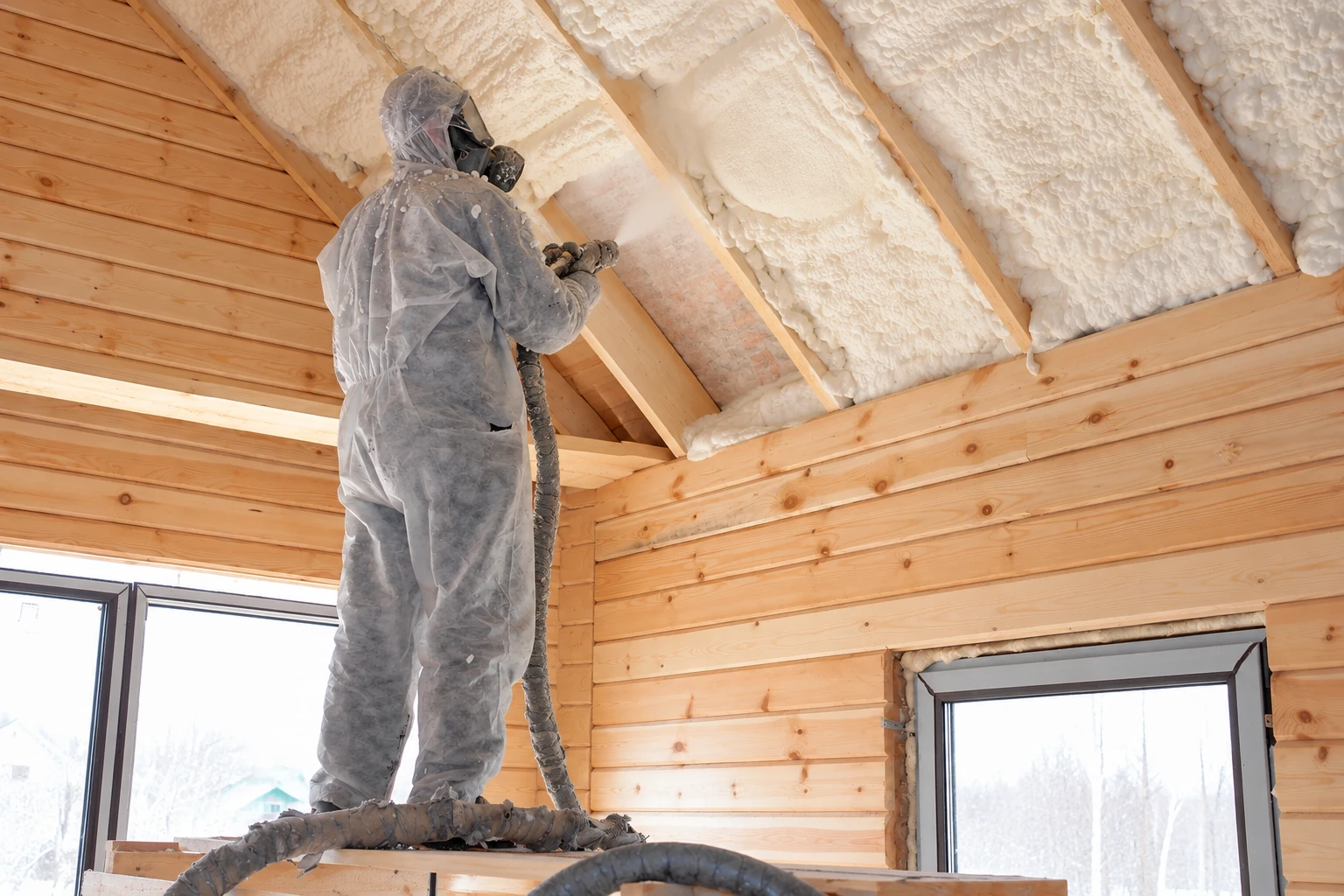
Basement insulation in Escondido CA - a dry wall first, then a warmer, quieter room
Basement room cold, damp or loud? We check the walls for water and cracks first, then insulate so the room stays comfortable.
Book a look at your basement walls
One look at the walls tells us whether we can insulate now or need a repair first, so call (442) 281-9783 or use the form.
What goes into insulating a basement in Escondido?
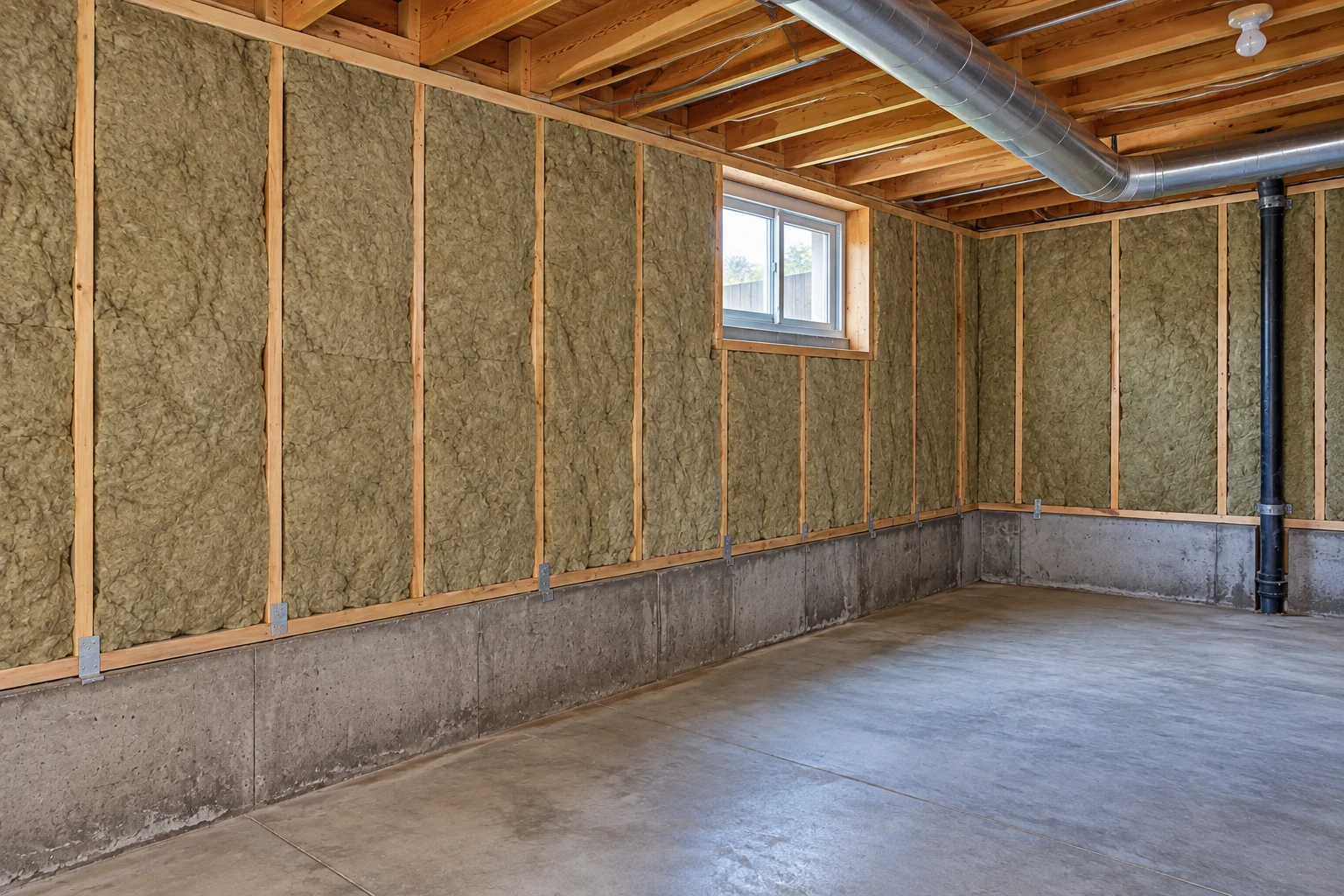
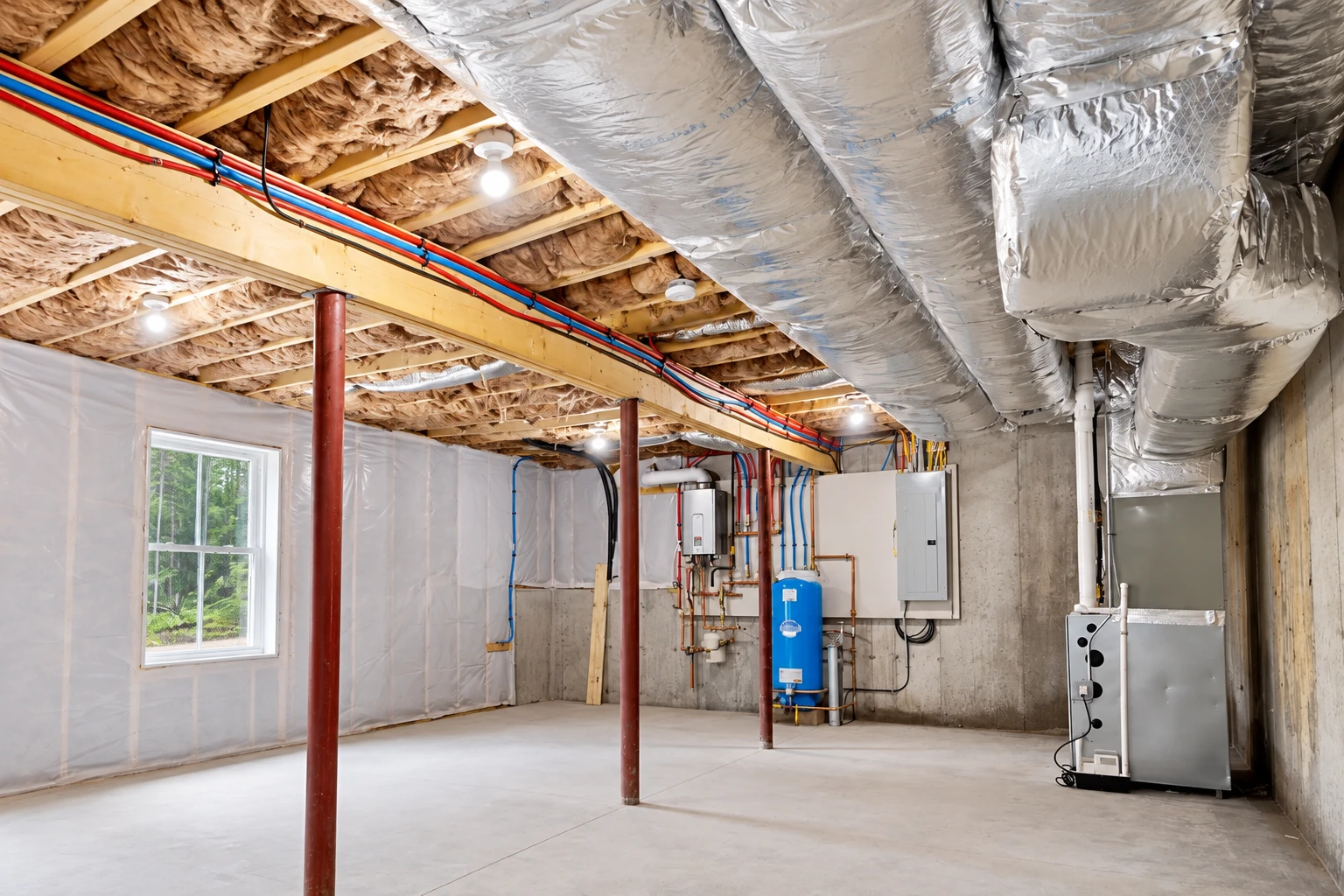
Basement insulation in Escondido adds insulation to the inside of your basement walls, which helps hold the room at an even temperature and cuts the noise that carries through. At ThermaFit Escondido Insulation Services, we check those walls for water and cracks before anything goes up.
Most of our calls come from older houses, and a basement or half-buried room is often the coldest, dampest spot in them, so the first question is what shape the walls are in. The price turns on how much wall you have, whether anything needs fixing first and whether you'll live in the room, since that decides the material and the covering. The schedule turns on that repair and on whether the city wants a permit, which we check for you, and my written estimate lays out each step in order. If what you have is closer to a crawl space, we handle crawl space insulation too.
Why Escondido homeowners call ThermaFit Escondido Insulation Services for basement insulation
I come out to every job
I look at each basement myself before you get a price, and our installers do the work with me checking in along the way. You hear the plan from the person who made it.
In business since 2020
We've spent six years in attics, crawl spaces and rooms below ground, mostly in older houses. That's taught us to look for the problem behind a wall before we cover it.
Licensed and insured, as Escondido asks
We're licensed and insured. Escondido requires contractors to hold an active state license and asks for a business license and workers' comp proof at permit time, so ask any crew about them early.
On a basement, the order of the work matters more than anything, so call (442) 281-9783 or send us a note and I'll come take a look.
How we handle basement insulation
I start at the walls. If one is taking on water or looks cracked, we hold off and help you get it fixed first, because insulation over a structural problem can hide it and in some cases make it worse, and it's far easier to see now than after the wall is covered. Then I ask how you plan to use the room, since a storage space and a bedroom get finished differently. Once the wall is sound, our crew fastens the insulation tight to it, seals the edges and adds the covering the room calls for.
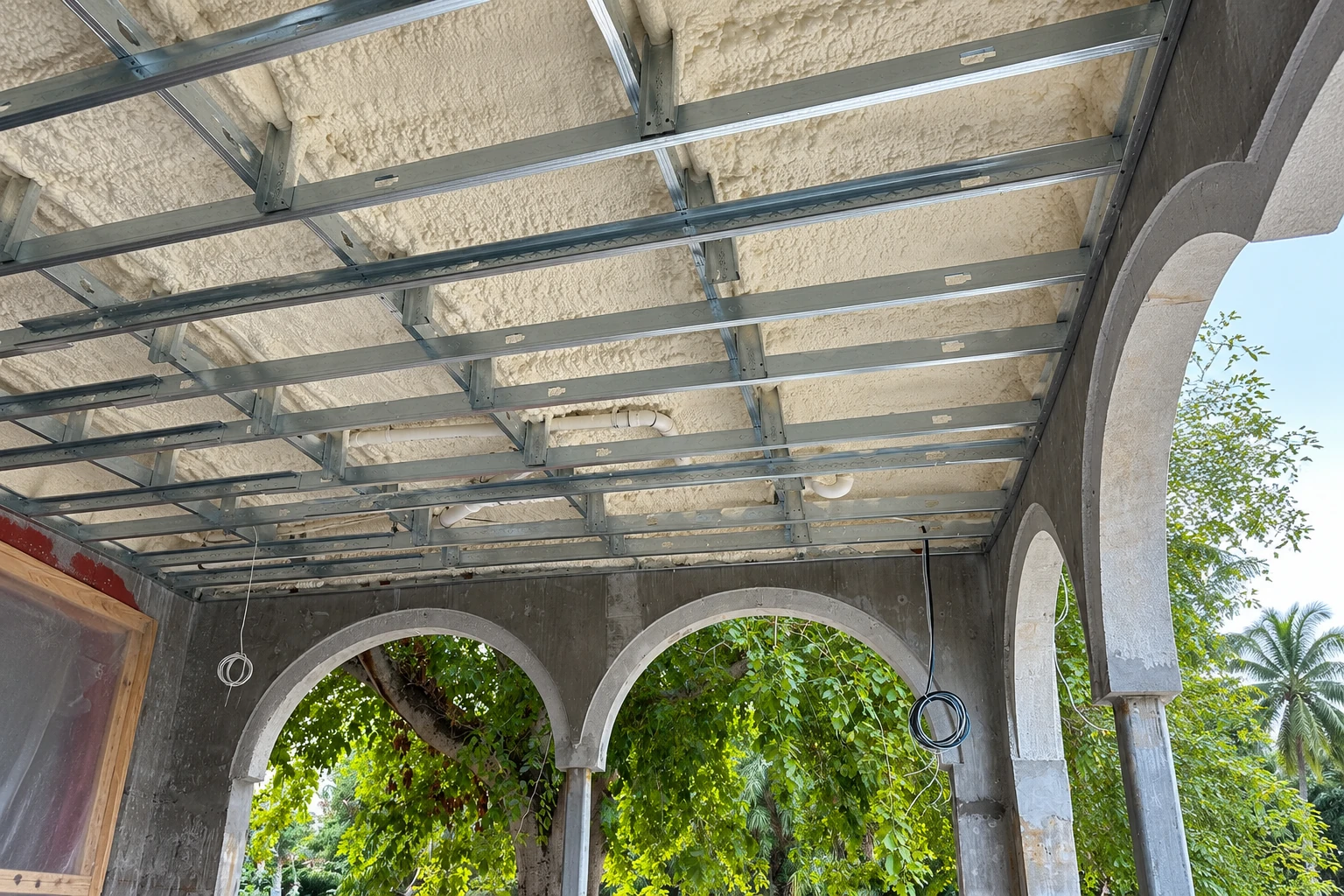
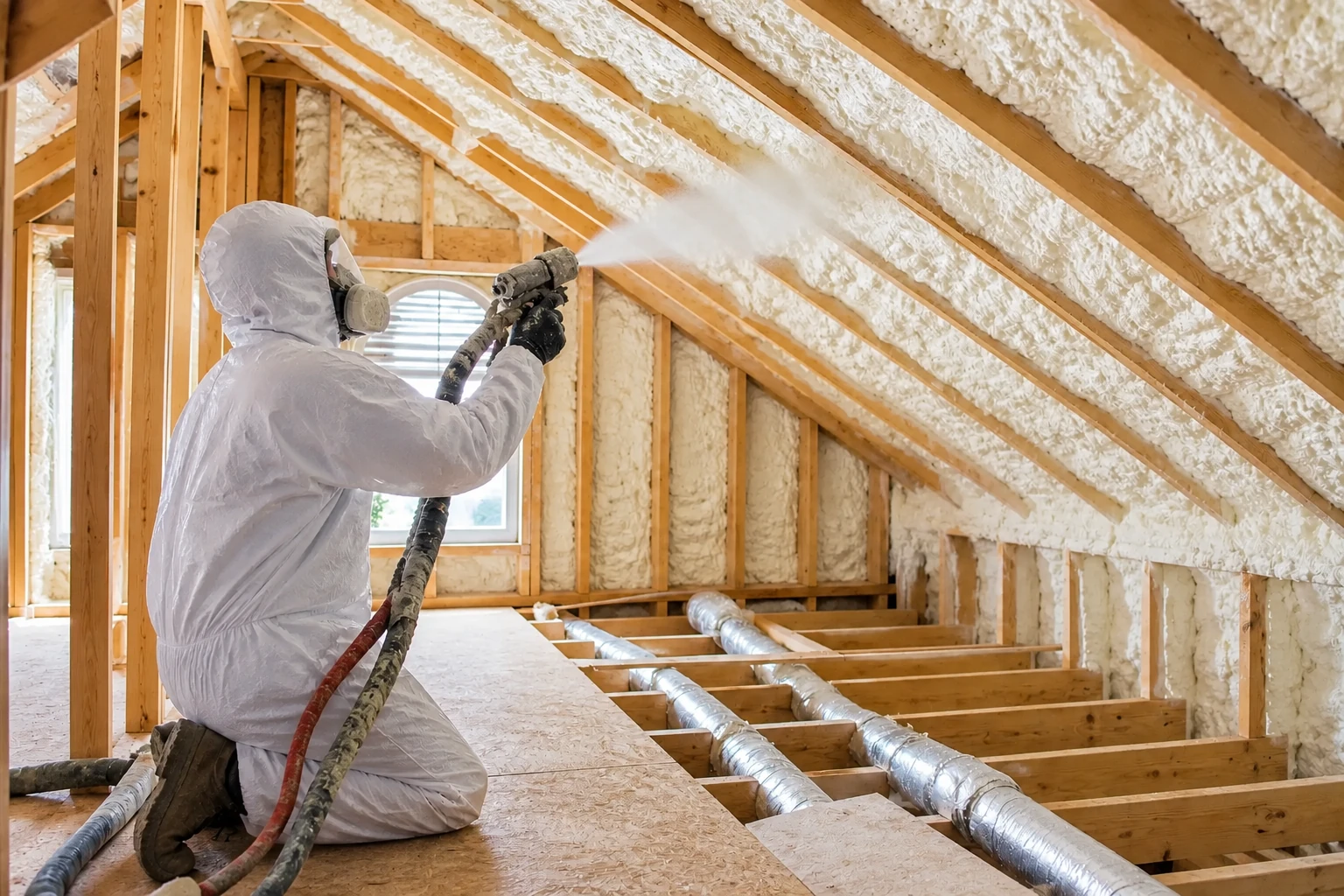
Most basement walls get one of two foams. Closed-cell foam insulation is dense spray foam that blocks moisture and fills a rough wall in one pass, and it costs more than board because it seals air while it insulates. Open-cell foam insulation is lighter and softer, so we lean on it more for quieting the ceiling between the basement and the room above than for the concrete itself.
Rigid foam board
Suits flat poured or block walls in a room you want warmer without paying for spray foam. It's the usual pick when the wall is dry and fairly even.
Closed-cell spray foam
Suits rough or uneven walls where board won't sit flat, and rooms where you want air sealed along with the insulation. It costs more, so we recommend it when the wall calls for it.
Finished living space
If the room will be a bedroom, office or den, the foam needs a covering such as drywall between it and the living space, and the city's building inspector can say where rules differ. Skip plastic sheeting, vinyl or foil wallpaper, and oil, alkyd or epoxy paint, since they trap moisture against the wall.
How do you know your basement walls need insulation?
Cold floors over the basement
If the floor above stays cold in winter, the basement walls are usually bare and pulling heat out. Waiting just means paying to heat a room that keeps losing it.
Musty smell or white crust
A musty smell, wet spots or a white crust on the concrete usually mean water is getting through. Get that fixed first, because covering it only makes it harder to find.
Cracks in the foundation wall
A crack that's new, wide or growing can point to a foundation problem. Have it checked now, while the wall is bare and easy to see, not after foam goes over it.
Noise through the floor
If footsteps, a washer or a TV downstairs carries straight up, the walls and ceiling down there are probably bare. Insulation quiets the room, and it's easiest before you finish it.
What happens after you call about your basement?
Call or send the form
We set a time, and I check your walls for water and cracks and ask how you'll use the room. Then you get a written estimate with the steps in order.
Set the date and start
Once you say yes, we handle any permit the job needs and set the date. City plan review takes about 30 calendar days per round once plans are complete, so we schedule around it.
Walk through the finished room
Before we leave, I walk you through the finished walls and what's behind the covering. That's the time to ask anything, while the crew is still there.
Basement insulation questions
These are the questions we hear most about basements and rooms below ground. If yours isn't here, call or write and tell us what you're seeing on your walls.
How much does basement insulation cost in Escondido?
It depends mostly on how much wall there is, which material goes on it and whether anything has to be fixed first. Closed-cell spray foam costs more than foam board, and a room you'll live in needs a covering over the foam, which adds to the job. The written estimate after my visit gives your figure with each step listed.
Should I fix basement leaks before insulating?
Yes, any leak gets fixed before insulation goes up. The guidance is to check the walls for water coming in and send every source of water away from the foundation, which is usually gutters, downspouts or grading outside. Plan that repair ahead of our date so the walls are dry when we arrive.
What is the best way to insulate basement walls?
Rigid foam board on the inside of the wall is the usual answer, and three types of board work for it. For moisture control the boards have to sit fully against the wall with no air gaps behind them, so ask any installer how they'll fasten them. Fiberglass batts and cellulose shouldn't touch the foundation wall at all.
Do I need a permit to insulate a basement in Escondido?
It can need one, so we check with the city on every job and handle the permit and inspections when one is required. In Escondido a permit can be pulled by a licensed contractor, the owner, or an agent of either with written authorization. The work also has to meet the state energy code, and some jobs need energy calculations.
Can an unlicensed handyman insulate my basement in California?
Only on a small job. California's minor work exemption now has a $1,000 limit, up from $500, and it applies only when the job needs no permit and the person has no employees. Insulation work beyond that falls under the state's C-2 insulation contractor license.
How long does basement insulation take?
Usually the crew's time on site is the short part, and any repair or permit is the longer wait. Wall area, the material and how much prep the walls need set the days on site, and I lay out the order on your estimate. If a permit is needed, add the city review time from the steps above.
Get a written plan for your basement
Tell us about any water you've seen on the walls and how you plan to use the room. We reply within one business day to set a time for a free on-site estimate, with no pressure and no obligation.
What basement insulation looks like
Other foam work we do
Closed-cell foam insulation
For a rough or uneven wall, dense spray foam that insulates and stops air in one layer.
Learn moreOpen-cell foam insulation
For a quieter ceiling under a living room or bedroom, softer foam that fills the joist bays and dulls noise.
Learn more